
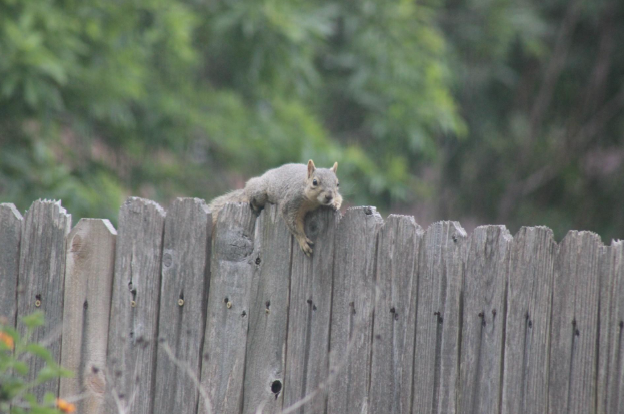
Squirrels can be entertaining to watch as they scamper through the yard, climb trees, and search for food. But when they start chewing outdoor furniture, digging up flower beds, or messing up your garden, their antics can quickly become frustrating.
The good news is that you don’t have to get rid of every squirrel in your yard to protect your home and belongings. A few changes to your outdoor space can discourage unwanted behavior while still letting you enjoy watching wildlife.
Here’s how to make your yard less attractive to squirrels and protect the things they like to chew, dig, and climb.
Why Are Squirrels Damaging Your Outdoor Items?
Tree squirrels are active year-round, although their behavior changes with the seasons. They spend much of their time searching for food, hiding nuts, and preparing nests.
Unfortunately, some of their natural behaviors can cause problems around your home.
- ⬥ Chewing: Squirrels have teeth that continuously grow, so they need to gnaw on objects to keep them worn down. Wood, plastic, and other outdoor materials can become targets.
- ⬥ Digging: Squirrels bury nuts and other food in the ground. This can leave holes in flower beds, planters, and lawns.
- ⬥ Nesting: They may use outdoor furniture cushions, garden materials, and other items to build nests.
- ⬥ Searching for food: Bird feeders, pet food, and fallen fruit can attract squirrels and encourage them to spend more time in your yard.
Understanding why squirrels are attracted to your property can help you choose the right ways to discourage them.
Protect Outdoor Furniture From Squirrels
Outdoor furniture can be especially vulnerable to squirrel damage. Cushions, wicker, wood, and plastic may all attract their attention.
Here are some ways to protect your furniture.
Store Cushions When They’re Not in Use
Outdoor cushions can be an appealing source of nesting material. Squirrels may chew through the fabric or pull out the stuffing to use in their nests.
When you’re not using your patio furniture, bring cushions indoors or store them in a sturdy, lidded storage container. Secure storage is generally more dependable than repellents alone.
If you don’t have room indoors, consider a weather-resistant deck box with a secure lid. Make sure the container is difficult for squirrels to open or chew through.
Choose Squirrel-Resistant Materials
If you’re replacing damaged furniture, consider metal frames and minimize exposed, chewable components. Don’t assume that resin wicker, plastic, or other synthetic outdoor materials are squirrel-resistant.
However, no material is completely squirrel-proof. Even furniture with metal frames may have vulnerable cushions, straps, or other chewable components.
Keep Squirrels Away From Your Garden and Planters
Squirrels often dig in gardens and containers while searching for food or hiding nuts.
If you’re tired of finding freshly planted flowers scattered across your yard, try these approaches.
Cover Exposed Soil
One of the simplest ways to discourage digging is to make it more difficult for squirrels to reach the soil. Options include:
- ⬥ Wire mesh or hardware cloth secured over planting areas.
- ⬥ Gravel or stones, which may discourage digging but are less dependable than a secured wire barrier.
- ⬥ Wire-mesh cages or covers over vulnerable seedlings.
For newly planted bulbs, place chicken wire or hardware cloth over the planting area and secure the edges. Remove temporary surface barriers before shoots emerge, or use a setup specifically designed to give the plants enough room to grow through without obstruction.
Protect Container Plants
If squirrels are digging in your planters, a layer of stones or decorative gravel may discourage them, but it is not a reliable barrier.
For better protection, fit hardware cloth over the soil and secure it so squirrels cannot lift the edges. Leave openings around plants with enough space for stems to grow. Don’t rely on loose mulch alone to prevent digging; it can still be used over a secured wire barrier.
Remove Fallen Fruit and Nuts
Fruit trees and nut-bearing plants can provide a steady food supply for squirrels.
Pick up fallen fruit, remove spoiled produce from gardens, and keep outdoor trash cans securely closed.
You may not be able to eliminate every food source, but reducing easy access to food can make your yard less attractive.
Discourage Squirrels From Chewing on Outdoor Items
Squirrels may chew on deck railings, wooden furniture, garden structures, and even outdoor lighting.
Because chewing is a natural behavior, the goal is to make vulnerable items less accessible and provide fewer reasons for squirrels to investigate them.
Protect Wood and Plastic Surfaces
If squirrels repeatedly chew on a particular railing, planter, or piece of furniture, consider covering the vulnerable area with metal flashing or another durable protective material.
For wooden structures, inspect damaged areas regularly and repair them before the damage becomes more extensive.
Keep in mind that protective coatings and wood finishes are not reliable deterrents on their own. Squirrels may continue chewing even if the surface has been treated.
Reduce Access to Roofs and Decks
Squirrels can use tree branches, fences, and nearby structures to reach roofs, decks, and other elevated areas.
Trim branches that provide easy access to your roof, especially those that hang close to the house.
If squirrels are nesting in your attic or another enclosed space, contact a qualified wildlife-control professional to arrange exclusion. Before entry points are sealed, confirm that no squirrels, including dependent young, remain inside.
Use Squirrel Deterrents Carefully
Some products and methods may help discourage squirrels, but their effectiveness can vary depending on the animal and the environment.
Motion-Activated Sprinklers
A motion-activated sprinkler may be worth trying as a supplemental deterrent, but don’t rely on it instead of physical barriers or secure storage.
They may help discourage squirrels from digging in gardens or spending time in certain parts of your yard. However, they can also startle people and pets, so position them carefully.
Repellents
Commercial repellents may use scents or tastes that squirrels find unpleasant.
If you decide to use one, choose a product labeled for the intended outdoor use and follow the manufacturer’s directions.
Repellents generally need to be reapplied, especially after rain, and may not work consistently.
Avoid Harmful Home Remedies
Some popular squirrel deterrents involve substances that can harm wildlife, pets, or people.
Avoid using mothballs, poisons, or other products in ways that aren’t specifically approved for the intended use.
If you have a persistent squirrel problem, consider contacting a qualified wildlife control professional who can recommend safe and appropriate options.
Make Your Yard Less Attractive to Squirrels
You may not be able to prevent every squirrel from visiting your yard, but you can reduce the features that encourage them to stay.
A few practical changes can make a difference:
- ⬥ Keep outdoor food, pet food, and garbage secured.
- ⬥ Clean up fallen fruit and nuts regularly.
- ⬥ Store cushions, garden supplies, and nesting materials when they’re not in use.
- ⬥ Trim tree branches that provide easy access to roofs and other vulnerable areas.
If you enjoy feeding birds, consider using a squirrel-resistant feeder and placing it away from trees, fences, and other structures that squirrels can use to reach it.
Enjoy Your Yard Without Giving Squirrels Free Rein
Squirrels are a natural part of many outdoor environments, and you don’t necessarily need to eliminate them from your property to protect your home.
These steps can reduce damage, although occasional squirrel visits and digging may still occur.
The most effective approach is to reduce easy access to food, shelter, and vulnerable materials while making the areas you want to protect less appealing.
12 Most Destructive Pests for Your Home – and How to Fight Back
