
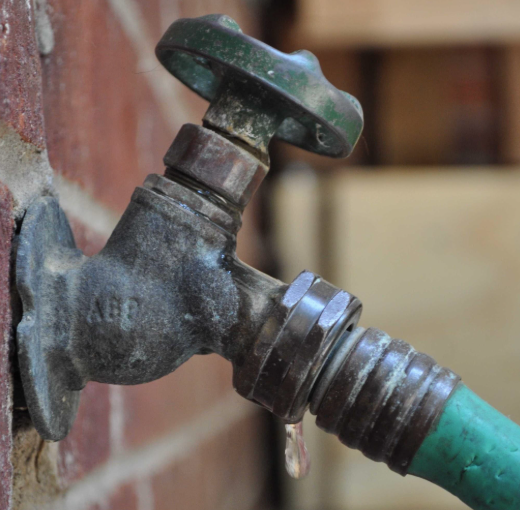
As the seasons change and temperatures begin to drop, it’s time to think about the parts of your home’s plumbing system that are exposed to the elements. Outdoor faucets and water lines are easy to overlook during routine home maintenance, but neglecting them can lead to frozen pipes, leaks, and expensive repairs.
Even a small amount of water left inside an exposed pipe can freeze, expand, and cause damage. And because some outdoor plumbing is located inside walls or beneath your home, you might not discover a problem until the weather warms up and water begins leaking.
Fortunately, a little preventive maintenance can help protect your outdoor plumbing and keep everything working properly throughout the year.
Inspect Outdoor Faucets for Signs of Wear
Start by examining the outdoor faucets, also called hose bibs or spigots, around your home. Look for signs of corrosion, mineral buildup, cracks, loose connections, or water dripping from the faucet when it’s turned off.
Pay particular attention to the area where the faucet connects to the house. If you notice moisture, staining, or deterioration around the connection, there may be a leak that needs attention.
Turn each faucet on briefly and check for normal water flow. If the pressure seems unusually low or water continues dripping after you turn it off, the faucet may have a worn washer, damaged valve, or other problem.
Don’t ignore even minor leaks. A dripping outdoor faucet can waste water and may indicate a problem that could become worse during freezing weather.
Disconnect and Store Garden Hoses
One of the simplest but most important fall maintenance tasks is disconnecting garden hoses from outdoor faucets.
Even if you have a frost-free faucet, leaving a hose connected can prevent the faucet from draining properly. Water trapped inside can freeze, potentially damaging the faucet or the pipe inside your home.
Before temperatures drop:
- ⬥ Disconnect garden hoses, spray nozzles, and other attachments.
- ⬥ Drain any remaining water from the hoses.
- ⬥ Coil and store hoses in a garage, shed, or other protected location.
- ⬥ Check hose washers and connections for wear before storing them.
- ⬥ Remove hose splitters and timers that may trap water.
If you use a retractable hose reel, drain it according to the manufacturer’s instructions and store it somewhere protected if possible.
Shut Off and Drain Water to Traditional Outdoor Faucets
If your home has traditional outdoor faucets rather than frost-free models, you’ll need to take additional steps to protect the plumbing.
Many homes have an interior shutoff valve that controls the water supply to each outdoor faucet. These valves are often located in a basement, crawl space, utility room, or near the area where the water line exits the house.
To winterize a traditional outdoor faucet:
- Locate and close the interior shutoff valve.
- Disconnect any attached hoses or accessories.
- Open the outdoor faucet to allow remaining water to drain.
- If there’s a small drain or bleeder cap on the interior shutoff valve, open it according to the manufacturer’s instructions to release trapped water.
- Close the outdoor faucet after the line has drained.
Some homes have more than one outdoor water shutoff, so make sure you identify all the valves serving exterior faucets.
If you’re unsure which valve controls a particular faucet or how to drain the line properly, ask a plumber for help. An incorrectly winterized water line can still freeze and cause damage.
Check Frost-Free Faucets, Too
Frost-free faucets are designed to reduce the risk of freezing by placing the shutoff valve farther inside the home, where temperatures are warmer. When properly installed and used, these faucets allow water to drain from the exposed portion of the pipe after the faucet is turned off.
However, frost-free faucets aren’t completely immune to freezing.
A hose left attached, improper installation, or a damaged faucet can prevent proper drainage. Insufficient slope in the pipe can also allow water to remain trapped inside.
Check the manufacturer’s instructions for your particular faucet. Make sure hoses and attachments are removed before freezing temperatures arrive, and inspect the faucet periodically for leaks or damage.
Protect Exposed Water Lines
Outdoor plumbing isn’t limited to the faucets you see on the exterior of your home. Water lines may also run through crawl spaces, garages, unfinished basements, or other areas that aren’t consistently heated.
Inspect these areas for exposed pipes, damaged insulation, and gaps that allow cold air to enter.
Pipe insulation sleeves or foam insulation can help protect vulnerable water lines. For pipes in particularly cold areas, you may also want to consider listed heat cables or heat tape designed for plumbing applications. Always follow the manufacturer’s installation instructions and electrical safety requirements.
Seal gaps around plumbing penetrations where cold air can enter, but don’t block necessary ventilation openings in crawl spaces.
If you have pipes running along exterior walls, pay particular attention to areas where insulation may be inadequate.
Know What to Do if an Outdoor Water Line Freezes
Despite your best efforts, an outdoor water line can still freeze during an unusually cold stretch of weather.
If you suspect a frozen pipe, turn off the water supply to the affected line if possible. Look for visible cracks, bulges, or leaks. If you can’t locate the problem or access the pipe safely, contact a plumber.
Never use an open flame, propane torch, or other high-heat device to thaw a frozen pipe. These methods can cause fires, damage plumbing, or create other hazards.
If a pipe is accessible and hasn’t ruptured, gentle warming with a heating pad or a hair dryer on a low setting may help thaw it. Follow appropriate electrical safety precautions and keep electrical devices away from standing water.
Once the pipe thaws, check carefully for leaks. A pipe can split during freezing and not begin leaking until the ice melts.
Make Outdoor Plumbing Part of Your Seasonal Maintenance Routine
Outdoor faucets and water lines deserve attention in both fall and spring. Before winter, disconnect hoses, shut off and drain traditional faucets, and protect exposed pipes. When warmer weather returns, inspect faucets, reopen shutoff valves, and check for leaks before resuming regular outdoor water use.
It’s also helpful to keep a record of your home’s outdoor plumbing, including the location of shutoff valves, the type of faucets installed, and any repairs or replacements. This information can make future maintenance easier and help you avoid overlooking important seasonal tasks.
A few minutes of preventive care each fall can save you from dealing with frozen pipes, unexpected water damage, and costly plumbing repairs when spring arrives.
3 Fast and Easy Cozy Winter Weekend Projects
Emergency Prep for Winter Storms: 5 Tips to Keep Your Home Safe
