
Have you ever noticed how some rooms seem to echo when you talk, while others feel comfortable and inviting? The difference may have less to do with the size of the room and more to do with how sound moves through the space.
Room acoustics affect how well you hear conversations, enjoy music, watch television, and even participate in video calls. Fortunately, you don’t need an expensive renovation to make your home sound better. A few thoughtful changes to your furnishings, room layout, and wall treatments can make a noticeable difference.
Understand Why Some Rooms Echo
Sound waves bounce off hard surfaces such as tile floors, bare walls, glass windows, and ceilings. When a room has many of these surfaces and few materials to absorb sound, the reflections can make voices seem distant or create an unpleasant echo.
This is especially common in open-concept homes, rooms with high ceilings, and spaces with minimal furnishings. A large living room with hardwood floors, a glass coffee table, and bare walls may look beautiful but feel noisy when several people are talking.
The goal isn’t to eliminate every sound reflection. Instead, you want to create a comfortable balance that makes conversations and other everyday sounds easier to hear.
Add Soft Furnishings to Absorb Sound
One of the simplest ways to improve room acoustics is to introduce materials that absorb some of the sound bouncing around the room.
Consider these changes:
- ⬥ Add area rugs. Rugs help reduce sound reflections from hard flooring, especially when paired with an appropriate rug pad.
- ⬥ Hang curtains. Fabric curtains can absorb some sound, particularly when they have a full, heavy weave and cover a substantial portion of the window wall.
- ⬥ Choose upholstered furniture. Sofas, fabric chairs, and cushions absorb more sound than many hard furniture surfaces.
- ⬥ Add pillows and throws. These small additions can soften a room’s acoustics while making the space feel more comfortable.
- ⬥ Use fabric wall hangings. Tapestries and other substantial fabric decorations can help reduce reflections from bare walls.
You don’t have to change everything at once. Start with the room where echoes or noise bother you most, then see whether a few additions make a difference.
Arrange Furniture to Help Control Sound
Your furniture can do more than make a room functional. It can also influence how sound travels through the space.
A large, empty room allows sound to reflect freely between hard surfaces. Adding a sofa, bookcase, upholstered chairs, and other furnishings helps break up those reflections.
Bookshelves filled with books and other objects can scatter sound rather than reflecting it as uniformly as a bare wall. Placing furniture thoughtfully can also help define separate areas in an open-concept home.
For example, a large living room that serves as both a television area and a conversation space may benefit from a rug, upholstered seating, and a filled bookcase. These additions can help make the room feel less echoey without sacrificing its open layout.
Consider Acoustic Panels for Persistent Problems
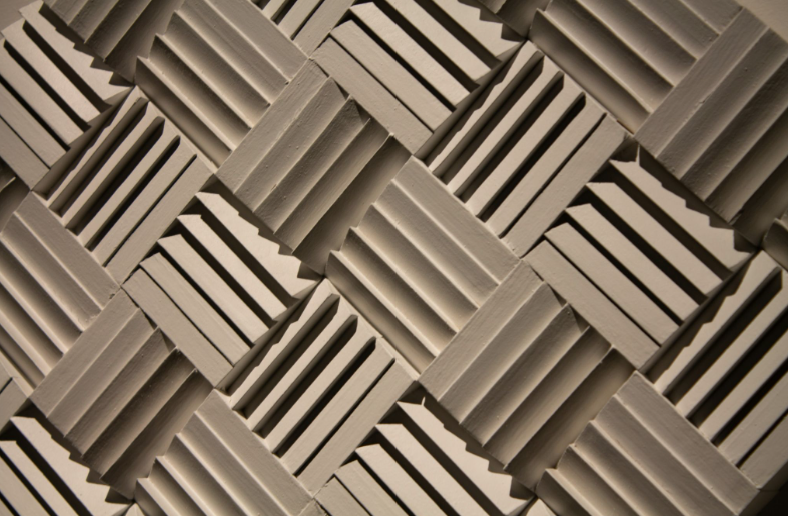
If soft furnishings aren’t enough, acoustic panels may be worth considering. These panels are designed to absorb sound reflections and can be especially useful in rooms used for music, recording, or frequent video calls.
You can find panels in different sizes, materials, and designs, including options that look like decorative wall art. Their effectiveness depends on the materials, thickness, placement, and the room’s specific acoustic problems.
Keep in mind that sound absorption and soundproofing are not the same thing. Acoustic panels can reduce echoes inside a room, but they generally won’t prevent a neighbor’s noise or a television in the next room from coming through a wall. Reducing sound transmission usually requires addressing gaps, doors, walls, ceilings, or other parts of the building structure.
If outside noise is your main concern, identify where the sound enters before investing in acoustic treatments.
Create a Better Space for Music or Recording
Do you play an instrument, sing, record videos, or participate in online meetings from home? A little attention to acoustics can make these activities more enjoyable.
Start by choosing a room with enough space for your equipment and furnishings. A smaller room can work well, although its shape and surfaces may create particular acoustic challenges.
Next, listen for echoes and unwanted background noise. Add a rug, curtains, or upholstered furniture if the room feels too reflective. If you record audio, experiment with your microphone’s position and distance from walls to find a clearer sound.
You may also want to consider when and where you practice. A room farther from bedrooms or shared walls may help reduce disruptions for other household members.
Before purchasing specialized equipment, make a few inexpensive changes and record or listen again. You may be surprised by how much improvement you can achieve with the furnishings you already own.
Don’t Forget Your Ceilings, Doors, and Windows
Walls and floors aren’t the only surfaces that influence the sound in your home. High ceilings can contribute to longer reverberation, while gaps around doors and windows can allow unwanted noise to enter or escape.
If a room has persistent acoustic problems, look at the entire space rather than focusing on one wall.
Depending on the issue, you might consider:
- ⬥ Adding substantial curtains to reduce some sound reflections near windows.
- ⬥ Installing door sweeps or weatherstripping to seal air gaps that also allow sound to pass through.
- ⬥ Checking whether loose or poorly sealed windows contribute to outside noise.
- ⬥ Consulting an acoustics professional if you need significant sound isolation or a dedicated music room.
For major changes involving insulation, walls, ceilings, or windows, consider the cost, installation requirements, and any applicable building codes before beginning work.
Make Room Acoustics Part of Your Home Care Plan
Improving the sound in your home doesn’t have to mean starting a major project. Sometimes, adding a rug, hanging curtains, or rearranging furniture is enough to make a room more comfortable.
As you make changes, keep track of the improvements and any products or materials you use. Recording home projects, purchases, and maintenance information can help you plan future updates and understand what you’ve already invested in your home.
Your home should look good, function well, and feel comfortable to live in. Paying attention to sound is another way to create spaces that work better for you and everyone who shares them.
Creating a more peaceful home often starts with small changes and a little organization. HomeZada can help you keep track of home maintenance, projects, and important household information, making it easier to stay organized and focus on enjoying your home.
How to Soundproof a Home Office
Could Your Rugs Be a Hidden Safety Hazard
Family Friendly Furniture: Stylish Yet Sturdy Picks for Busy Homes
