
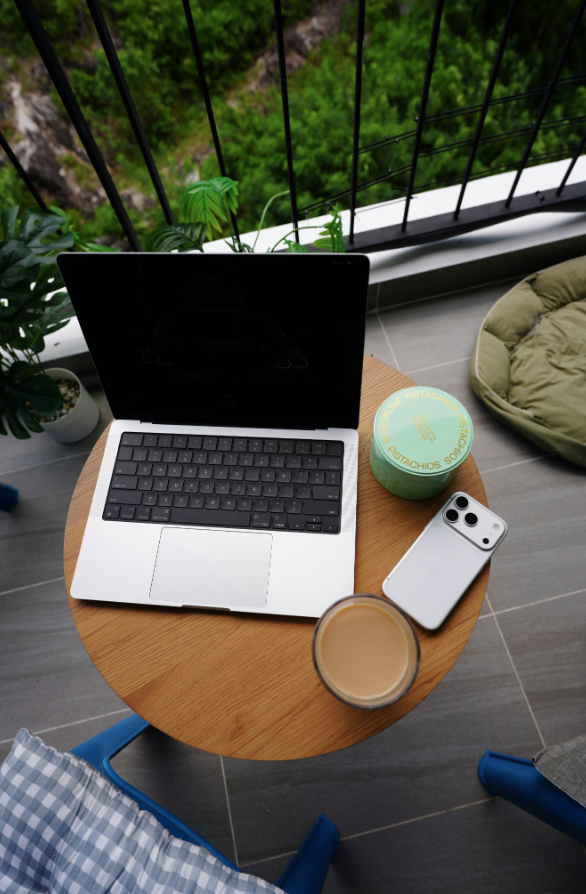
Your home should be a place where you can relax, recharge, and feel comfortable. But sometimes, cluttered surfaces, harsh lighting, or rooms that never seem to stay organized can make it harder to unwind. Even when everything looks fine, a space may not feel as calm and inviting as you’d like.
The good news? You don’t need to remodel your home or buy all new furniture to create a more peaceful environment. A few small changes to your surroundings and daily routines can make your home feel more comfortable and easier to manage.
Start by Clearing the Clutter
A crowded countertop, an overflowing entryway, or a pile of laundry can make a room feel busier than it needs to be. When everyday items don’t have a designated place, you may find yourself spending time searching for things or moving belongings from one surface to another.
Start small rather than trying to declutter your entire home in one weekend.
- ⬥ Clear your kitchen countertops of items you don’t use every day.
- ⬥ Give keys, mail, and bags a designated spot near the entryway.
- ⬥ Remove unnecessary items from your nightstand to create a more restful bedroom.
- ⬥ Keep frequently used belongings accessible and store occasional-use items elsewhere.
You don’t have to embrace minimalism to enjoy a more peaceful home. The goal is to make your spaces easier to use and maintain, so you spend less time managing your belongings.
Let Natural Light Into Your Rooms
Lighting can influence how a room feels. Natural light often makes spaces feel more open and inviting, while harsh overhead lighting can feel uncomfortable when you’re trying to relax.
Open curtains and blinds during the day, clean your windows, and, when practical, move objects that block sunlight. If a room doesn’t get much natural light, a table lamp or floor lamp will help create a softer atmosphere.
You can also use different lighting throughout the day. Brighter lighting may help when you’re cooking, cleaning, or working, while warm-toned lamps can make a living room or bedroom feel more relaxing in the evening.
If you have dimmer switches, use them to adjust the light to suit different activities.
Create a Comfortable Place to Unwind
Every home benefits from having a spot where you can take a break from daily responsibilities. You don’t need a separate room or an elaborate reading nook to make this happen.
A comfortable chair near a window, a small table beside the sofa, or a quiet corner of your bedroom can become a place to read, listen to music, or enjoy a few minutes of uninterrupted time.
Think about what helps you relax, then make room for it. You might add a favorite blanket, a reading light, a small bookshelf, or a cushion that makes the space more comfortable.
Try to keep this area free of work materials, household paperwork, and other reminders of your to-do list. A little separation between work and relaxation can help you make better use of the space.
Bring a Little Nature Indoors
Natural elements can make your home feel more welcoming. Houseplants, fresh flowers, natural wood, and other organic textures can add warmth without requiring a major decorating project.
If you enjoy caring for plants, start with varieties suited to your home’s lighting conditions and your ability to maintain them. If plants aren’t your thing, a bowl of seasonal fruit, a vase of branches, or a wooden decorative piece can introduce natural textures.
You can also make the most of outdoor views. Keep windows clear where possible, position a favorite chair to face a garden or tree, or open a window when the weather and outdoor air quality allow.
Choose additions that fit your lifestyle. A peaceful home should feel enjoyable, not create another list of chores.
Make Your Home Smell Fresh
Unpleasant odors can make even a clean room feel less inviting. Fortunately, improving the way your home smells often starts with addressing the source rather than covering it up.
Take out the trash regularly, clean kitchen drains as needed, wash bedding and soft furnishings according to their care instructions, and check areas where moisture may collect. Ventilate rooms when conditions allow, and keep kitchen and bathroom exhaust fans in good working order.
If you enjoy scented products, use candles, diffusers, or room sprays sparingly and according to their safety instructions. Fragrances can bother some household members and pets, so a naturally fresh-smelling home may be the better choice for your family.
Reduce Everyday Noise
A peaceful home doesn’t have to be completely silent, but constant background noise can make it harder to relax or concentrate.
Start by identifying the sounds that bother you most. A rattling exhaust fan, a noisy appliance, or a door that slams shut may have a simple solution. Check that household equipment is operating as intended, and address maintenance issues rather than allowing irritating noises to become part of your daily routine.
Soft furnishings, such as curtains, upholstered furniture, and area rugs, can also help reduce sound reflections in rooms that echo.
If outside noise is the problem, weatherstripping around doors and windows may help reduce some sound transmission through air gaps. Persistent noise may require additional investigation.
You can also make quiet time part of your routine by turning off the television when no one is watching or setting aside a few minutes without background entertainment.
Make Everyday Tasks Easier to Manage
Sometimes, a home feels stressful because its layout or organization makes ordinary tasks more difficult than they need to be.
Look at the places where small frustrations happen repeatedly. Do you struggle to find cleaning supplies? Does laundry pile up because the hamper is in an inconvenient location? Are important household documents scattered across several drawers?
A few practical adjustments can make daily life easier.
- ⬥ Store frequently used items close to where you need them.
- ⬥ Keep a small basket for belongings that need to be returned to other rooms.
- ⬥ Create a simple drop zone for incoming mail and household paperwork.
- ⬥ Keep a running list of maintenance tasks so you aren’t constantly trying to remember what needs attention.
Keeping track of home information, repairs, maintenance schedules, and important documents can also help you feel more organized. When you know where to find what you need, you’re less likely to spend time searching for it when something comes up.
Make One Small Change at a Time
Creating a more peaceful home doesn’t require a complete makeover. In fact, trying to change everything at once can add more stress than it removes.
Choose one area that regularly frustrates you. Clear a cluttered counter, improve the lighting beside your favorite chair, or organize the entryway so coming home feels easier.
Once that change becomes part of your routine, move on to another area.
Keeping track of home improvement projects can help you create a more comfortable space over time. With HomeZada, you can organize your home information, document updates, and keep track of the projects that help make your house feel more like home.
7 Steps to Creating a More Peaceful Bedroom
