
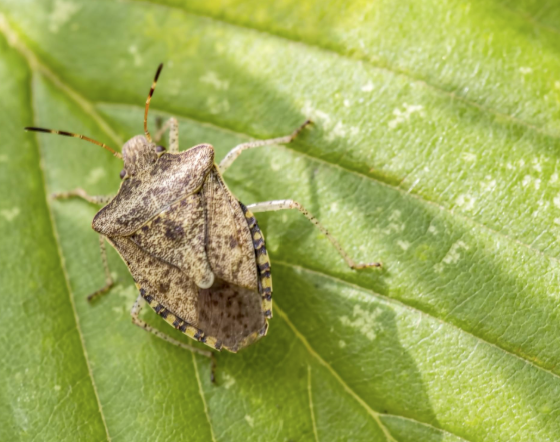
As the weather cools in fall, you might notice some unwelcome visitors gathering around your windows, crawling along your siding, or sneaking into your home. These shield-shaped insects are likely brown marmorated stink bugs, an invasive species originally from East Asia.
Although they can be frustrating to deal with, there’s some good news. These pests don’t damage your home’s structure, bite people, or reproduce indoors. They’re simply looking for a protected place to spend the winter.
The challenge is keeping them from turning your home into their seasonal retreat. Fortunately, a combination of natural prevention methods, home maintenance, and targeted pest control can help you manage the problem.
Why Are Stink Bugs Getting Into Your Home?
Brown marmorated stink bugs become especially noticeable in late summer and fall. As temperatures drop, they look for sheltered places to spend the winter. Your home offers plenty of appealing options, including gaps around windows, cracks in siding, attic vents, and spaces around utility lines.
Once inside, they may hide in wall cavities, attics, or other quiet spaces. On warmer days, some emerge and begin crawling around windows, ceilings, and walls.
And then there’s the smell. When threatened or crushed, stink bugs release an unpleasant odor as a defense mechanism. That’s why swatting them isn’t the best approach.
The most effective way to manage these pests is to keep them out in the first place. If they’re already inside, focus on removing them without spreading the odor or exposing your household to unnecessary pesticides.
1. Seal the Entry Points Around Your Home
If you do only one thing to control stink bugs, make it this: inspect your home’s exterior and seal openings where insects can enter.
Stink bugs can squeeze through surprisingly small gaps, so pay attention to areas you might otherwise overlook.
Walk around your home and check:
- ⬥ Windows and doors: Look for damaged weatherstripping, worn door sweeps, loose trim, and gaps around frames. And don’t forget the top of the door
- ⬥ Siding and foundation: Check for cracks, openings, and spaces where siding meets other materials.
- ⬥ Utility openings: Seal gaps around pipes, cables, and other lines entering the house.
- ⬥ Roof edges and attic vents: Inspect soffits, fascia boards, gable vents, and other openings. Install appropriate screening where needed.
- ⬥ Chimneys and crawl spaces: Make sure chimney caps, vent screens, and crawl-space covers fit properly.
- ⬥ Window screens: Repair holes and make sure screens fit snugly in their frames.
Use exterior-rated caulk for suitable small gaps, weatherstripping for doors and windows, and appropriate screening for vents. Larger openings may require a different repair method, so choose materials that won’t interfere with ventilation, drainage, or appliance exhaust.
Don’t overlook your garage, either. A door that doesn’t close tightly can provide an easy entrance.
Making these repairs before stink bugs begin gathering in fall can make a significant difference in how many get inside.
2. Try Natural Ways to Discourage Stink Bugs
If you prefer to avoid pesticides, several practical methods can help reduce stink bug activity around your home.
Reduce outdoor lighting near entrances. Stink bugs are attracted to lights, particularly when they’re flying around buildings at night. Turn off unnecessary exterior lights, use motion-activated fixtures, or move lighting away from doors and windows when practical. Warm-colored bulbs may also be worth trying, although they won’t eliminate the problem.
Remove insects from exterior walls. If you see stink bugs gathering on siding, window frames, or other accessible surfaces, gently sweep them into a container of soapy water. Avoid crushing them, and don’t simply release them outside near your home.
Keep the area around your foundation tidy. Remove accumulated leaves, weeds, and unnecessary debris near the house. Trim vegetation that touches the exterior and inspect nearby shrubs and trees for large clusters of insects. These steps help you monitor pest activity and maintain a clear perimeter, although stink bugs can still arrive from the surrounding landscape.
Be cautious with essential oils. Some research has found that oils such as clove, lemongrass, and spearmint can repel brown marmorated stink bugs under experimental conditions. However, that doesn’t mean a homemade essential-oil spray will reliably protect your home. The effects may be short-lived, and these products haven’t replaced sealing entry points as the primary control method.
Essential oils can irritate skin and may be harmful to pets, particularly cats, if used improperly. Avoid spraying them on pets, food-contact surfaces, or finishes without checking product safety and compatibility. Never assume a natural ingredient is automatically safe for every household.
Think of natural repellents as possible supplementary measures, not a substitute for exclusion and removal.
3. Remove Stink Bugs That Have Already Made It Inside
Finding a few stink bugs indoors doesn’t necessarily mean you have a full-blown infestation. They may have entered through an overlooked gap or emerged from a sheltered hiding place.
Instead of swatting them, try one of these methods.
Use a container of soapy water. Gently knock the insect into a container filled with water and a few drops of dish soap. The soapy water helps trap and drown it. This method works well when you can reach the bug safely.
Vacuum them up. A vacuum can be convenient when stink bugs are clustered around ceilings, windows, or other hard-to-reach areas. However, they may leave an unpleasant odor inside the vacuum. Consider using a dedicated handheld vacuum and emptying it promptly into a sealed bag or container. Dispose of the contents appropriately.
Try a simple light trap. One option is a shallow foil roasting pan containing water and a few drops of dish soap, placed in a dark room with a light directed toward it. Stink bugs attracted to the light may fall into the water. This can help capture some insects, but it won’t solve the problem by itself.
Avoid releasing captured stink bugs outdoors near your home, where they may return. Also, keep water-filled traps and small containers out of reach of children and pets.
4. When Should You Consider Chemical Treatments?
Sometimes, physical prevention and removal aren’t enough, particularly when large numbers of stink bugs gather on the exterior of a home each fall.
In these situations, a carefully selected insecticide may provide additional help. However, it’s important to understand where these products are most useful.
Exterior perimeter treatments may temporarily reduce the number of stink bugs entering a home when applied at the right time. Some products contain synthetic pyrethroids, such as bifenthrin, deltamethrin, cyfluthrin, or lambda-cyhalothrin. These active ingredients are used in certain pest-control products, but not every formulation is approved for every surface or use.
If you consider this approach:
- ⬥ Choose a product specifically labeled for stink bugs or the applicable pest group and for residential exterior use.
- ⬥ Follow all label directions, including application locations, protective equipment, and precautions for people, pets, and wildlife.
- ⬥ Avoid spraying flowering plants or other areas where beneficial insects, including pollinators, may be exposed.
- ⬥ Consider hiring a licensed pest-control professional if stink bugs are gathering in large numbers or the treatment areas are difficult to reach.
Timing matters. Exterior treatments are generally most useful before or during the period when stink bugs are seeking winter shelter. Sunlight and weather can break down residues, so treatments may provide only temporary relief.
What about indoor insecticides? Spraying walls, ceilings, or rooms where stink bugs are crawling usually isn’t the best solution. Indoor sprays often fail to control insects hidden in wall cavities or attics, and they won’t prevent more from entering. Foggers are particularly unsuitable as a general solution for stink bugs gathering inside living spaces.
Avoid applying insecticide into wall voids or attic spaces unless the product label specifically permits that use and the treatment is appropriate. If you have hundreds of insects emerging from concealed spaces, a pest-control professional can help identify the source and determine the safest response.
Chemical treatments work best as a supplement to exclusion and physical removal, not as a replacement for them.
5. Make Stink Bug Prevention Part of Your Seasonal Home Maintenance
Because stink bugs often seek shelter in fall, a little preparation before cooler weather arrives can save you considerable frustration.
Add these tasks to your seasonal home maintenance checklist:
- ⬥ Inspect and repair window and door screens.
- ⬥ Replace worn weatherstripping and install door sweeps where needed.
- ⬥ Seal appropriate gaps around windows, siding, and utility penetrations.
- ⬥ Check attic vents, soffits, and crawl-space openings for damaged screening.
- ⬥ Reduce unnecessary exterior lighting near entrances.
- ⬥ Remove accessible clusters of stink bugs from exterior walls.
- ⬥ Inspect areas where insects have previously entered and check for overlooked gaps.
If stink bugs keep appearing despite your efforts, pay attention to where you find them. Bugs repeatedly appearing around the same window, light fixture, or ceiling may indicate an entry point nearby. A pest-control professional can help investigate persistent problems.
Keep Your Home Comfortable Without Unwanted Guests
Asian stink bugs can be a nuisance, especially when dozens seem to appear just as you’re settling in for the colder months. But you don’t have to rely on strong-smelling sprays or expensive treatments to manage them.
Start by sealing entry points, repairing screens, and reducing conditions that attract insects near your home’s entrances. Use simple removal methods for the bugs that make it inside, and consider a properly labeled exterior treatment or professional assistance when populations are especially heavy.
A little preventive maintenance can help keep these seasonal visitors where they belong: outside your home.
12 Most Destructive Pests for Your Home – and How to Fight Back
Strategies for Keeping Pests Out of Your Home During the Summer Months
