
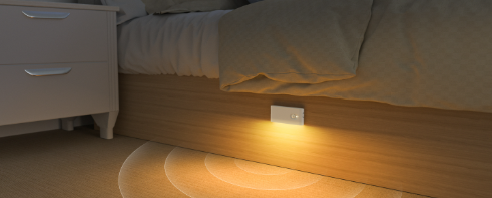
Sometimes the smallest home upgrades have the biggest impact.
Motion sensor night lights are inexpensive, easy to install, and can make your home noticeably safer for everyone. Whether you’re walking to the bathroom at 2 a.m., carrying a sleeping child to bed, or helping an aging parent navigate the hallway, automatic lighting reduces the risk of trips and falls while adding convenience and peace of mind.
Here’s why they’re worth adding to your home.
Why motion sensor lighting improves safety
Many household accidents happen in low-light conditions. Reaching for a light switch in the dark or walking through an unfamiliar room can increase the chance of bumping into furniture, missing a step, or slipping on the floor.
Motion sensor night lights solve this problem by automatically illuminating your path when movement is detected. Since they turn off after a short period of inactivity, they’re also much more energy efficient than leaving lights on all night.
Benefits include:
- ⬥Reducing the risk of nighttime falls
- ⬥Improving visibility in hallways and stairways
- ⬥Making bathrooms easier to access at night
- ⬥Providing gentle lighting without disturbing others
- ⬥Saving electricity with automatic shutoff
The best places to install them
You don’t need a night light in every room. Focus on the areas people walk through most often after dark.
Hallways
A hallway is one of the most common places for nighttime navigation. Soft, low-level lighting helps everyone move safely without turning on bright overhead fixtures.
Staircases
Stairs deserve special attention. Even one well-placed motion sensor light at the top or bottom of the staircase can improve visibility and help prevent missed steps.
Bathrooms
Bright bathroom lights can be jarring in the middle of the night. Motion sensor lighting provides enough illumination to move safely while remaining easy on sleepy eyes.
Bedrooms
A small night light near the doorway or along the path to the bathroom is especially helpful for children, older adults, or anyone who gets up frequently during the night.
Entryways and garages
Coming home after dark with groceries or returning from an evening walk is much easier when lights automatically turn on as you enter.
Features to look for
Not all motion sensor night lights are the same. Consider your home’s layout and your family’s needs before choosing one.
Useful features include:
- ⬥LED bulbs for long life and low energy use
- ⬥Dusk-to-dawn sensors that only activate in darkness
- ⬥Adjustable brightness for different rooms
- ⬥Rechargeable batteries or plug-in options
- ⬥Wide motion detection for larger spaces
For stairways and hallways, look for models that provide a broad, even glow rather than a concentrated spotlight.
A smart choice for aging in place
If you’re planning to stay in your home for many years, motion sensor lighting is an excellent aging-in-place upgrade.
Falls are one of the leading causes of injury among older adults, and improved nighttime visibility can help reduce that risk. Combined with handrails, non-slip rugs, and clutter-free walkways, automatic lighting creates a safer environment without requiring major renovations.
It’s also helpful for guests who may not be familiar with your home’s layout.
Include lighting in your home maintenance routine
Like smoke detectors and carbon monoxide alarms, motion sensor lights should be checked periodically. Test batteries, clean the sensors, and replace units that no longer respond reliably.
Keeping track of these small safety upgrades is easier when they’re included in your regular home maintenance schedule alongside other seasonal tasks.
Small upgrade, lasting peace of mind
Home safety doesn’t always require expensive renovations. Sometimes a $20 motion sensor night light can prevent a stumble, make nighttime routines more comfortable, and help everyone feel more confident moving through the house after dark.
As you continue improving your home’s safety, remember to document lighting upgrades and other improvements in HomeZada. Keeping an organized record of your home’s features and maintenance helps you protect both your property and the people who live in it.
7 Ways to Improve Your Home Office Lighting
