
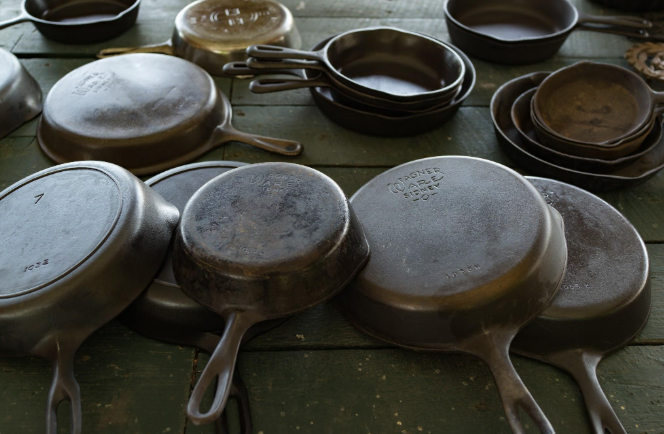
Cast iron cookware has a reputation for lasting generations, but it also comes with a few cleaning myths. Maybe you’ve heard that you should never use soap on a cast iron skillet or that washing it too thoroughly will ruin its seasoning. Those warnings can make caring for cast iron seem more complicated than it needs to be.
The good news? Modern dish soaps are much gentler on cookware seasoning than the harsh lye-based soaps of the past. You can clean your cast iron with soap and water without stripping away its seasoning, as long as you dry it thoroughly and care for the surface properly.
Whether you use your skillet for scrambled eggs, seared steaks, or cornbread, a few simple habits will help keep it in good condition for years to come.
What Is Cast Iron Seasoning?
Before discussing cleaning methods, it helps to understand what seasoning actually is.
Seasoning isn’t a layer of leftover cooking oil. It’s a protective coating that forms when a thin layer of oil undergoes polymerization during heating. The oil bonds to the iron, creating a durable surface that helps protect the cookware from rust and contributes to its nonstick properties.
Everyday cooking and proper maintenance help preserve this coating. Cleaning removes food residue and grease, but it shouldn’t remove the seasoning itself.
Can You Use Soap on Cast Iron?
Yes! You can use modern dish soap to clean cast iron cookware.
The old warning against soap dates back to a time when many soaps contained lye, a strong alkaline substance that can damage or break down the seasoning on cast iron.
Modern household dish soaps are generally formulated differently and are designed to remove food residue and grease without stripping a properly bonded seasoning layer.
A small amount of regular dish soap, warm water, and a nonabrasive sponge are usually all you need for routine cleaning.
You don’t need to avoid soap altogether or leave a greasy film on your skillet to protect its seasoning. In fact, removing leftover food and excess grease helps keep your cookware clean and ready for its next use.
How to Clean Cast Iron After Everyday Cooking
For most meals, cleaning cast iron takes only a few minutes.
1. Let the cookware cool slightly.
After cooking, allow your skillet to cool enough to handle safely. Avoid running cold water over extremely hot cast iron, as the sudden temperature change can cause thermal shock and potentially crack the cookware.
2. Remove leftover food.
Wipe away loose crumbs and excess grease with a paper towel or a soft cloth. Pour excess cooking oil into an appropriate container rather than down the drain.
3. Wash with warm water and dish soap.
Use a soft sponge or dish brush to remove food residue. Add a small amount of dish soap if needed, especially after cooking greasy foods or meals that leave behind a strong odor.
For stubborn bits of food, use a nonabrasive scrubber or a cast iron cleaning brush. You can also gently scrub with coarse salt and a little water when you need extra help. Avoid aggressive scraping that could damage the surface.
4. Rinse thoroughly.
Rinse away the remaining soap and food particles. There’s no need to worry that ordinary dish soap will automatically remove your seasoning.
5. Dry the cookware completely.
This is one of the most important steps. Cast iron can rust when moisture remains on the surface, so dry the skillet promptly with a clean towel.
For extra assurance, place it over low heat for a few minutes until all remaining moisture evaporates. Keep an eye on it and remove it from the heat once it’s dry.
6. Apply a thin layer of oil if needed.
If the surface looks dry, apply a very thin layer of cooking oil while the skillet is still slightly warm. Wipe away any excess with a clean cloth or paper towel.
You don’t need to add a heavy coat of oil after every wash. A thin, nearly invisible film is enough when the cookware needs it.
How to Remove Stubborn, Stuck-On Food
Even well-seasoned cast iron can develop stubborn residue, particularly after cooking eggs, sugary sauces, or foods that leave behind browned bits.
Try these methods before resorting to aggressive scrubbing.
- ⬥ Warm water and soaking briefly: Add warm water to the cooled skillet and let it sit for a few minutes to loosen residue. Avoid leaving cast iron submerged for extended periods.
- ⬥ Gentle scraping: Use a wooden spatula or a suitable pan scraper to lift stuck-on food without gouging the surface.
- ⬥ A chain-mail scrubber: A purpose-made cast iron chain-mail scrubber can help remove stubborn residue while preserving sound seasoning when used gently.
- ⬥ Coarse salt: Sprinkle coarse salt into the pan and scrub with a little water using a cloth or sponge. Rinse thoroughly and dry the skillet afterward.
If food continues to stick during cooking, the problem may involve cooking temperature, insufficient cooking oil, or seasoning that needs attention. More aggressive cleaning won’t necessarily solve those issues.
What About Rust or Damaged Seasoning?
A little rust doesn’t automatically mean your skillet is ruined. Cast iron is durable, and you can often restore a neglected pan with some extra care.
For light surface rust, scrub the affected area with a suitable abrasive pad or steel wool until the rust disappears. Wash the skillet, rinse it, and dry it thoroughly.
If scrubbing removes some of the seasoning, apply a thin layer of cooking oil and follow an appropriate oven-seasoning process. This typically involves wiping on a very thin coating of oil and heating the cookware according to the manufacturer’s instructions. Avoid leaving excess oil on the surface, which can create a sticky finish.
For extensive rust, deep pitting, or a badly damaged pan, consult the manufacturer’s care guidance or a reputable cast iron restoration resource before proceeding.
Cast Iron Cleaning Mistakes to Avoid
A few common habits can shorten the life of your cookware or create unnecessary maintenance.
- ⬥ Leaving the skillet wet: Moisture encourages rust, so dry cast iron promptly after washing.
- ⬥ Soaking it for long periods: Prolonged exposure to water can cause rust, even on a seasoned surface.
- ⬥ Putting it in the dishwasher: Dishwasher detergents and prolonged exposure to water can damage seasoning and promote rust.
- ⬥ Storing it with excess oil: A thick layer of oil can become sticky or rancid. Wipe away excess oil before storing.
- ⬥ Using harsh cleaning methods unnecessarily: Routine food residue usually doesn’t require stripping or reseasoning the entire pan.
- ⬥ Storing it while damp: Make sure the pan is completely dry before putting it away.
Also, remember that enameled cast iron is different from traditional bare cast iron. Enameled cookware has a glass-like coating, so follow the manufacturer’s cleaning instructions rather than treating it like an uncoated skillet.
Keep Your Cast Iron Ready for the Next Meal
Caring for cast iron doesn’t require special rituals or avoiding modern dish soap. Clean your cookware after use, remove food residue, dry it completely, and apply a little oil when the surface needs it.
With those habits, your skillet can develop and maintain its seasoning while staying clean enough for everyday cooking. And if you inherit a cast iron pan from a family member, don’t be afraid to give it a proper wash before putting it to work.
A well-maintained cast iron skillet can serve you for decades. The secret isn’t leaving it dirty. It’s understanding how to clean it without leaving moisture behind or unnecessarily damaging its seasoned surface.
How to Naturally Clean Your Pots: Eco-Friendly Solutions for Sparkling Cookware
How to Care for Your Cast Iron Cookware
Estate Sales and Garage Sales: How Secondhand Finds Can Transform Your Home (and Help the Planet)
