
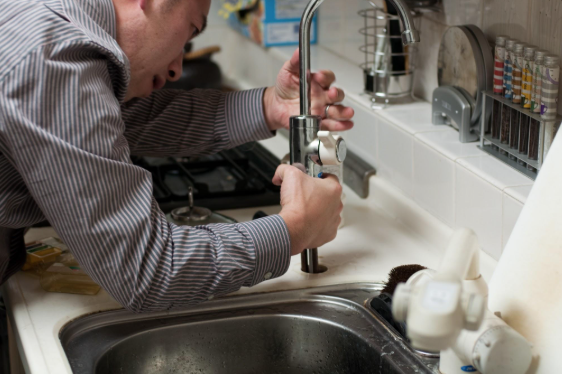
The door that doesn’t quite close correctly. The loose cabinet handle. The section of drywall that needs patching. The shelf you’ve been meaning to install for six months.
None of these projects may be large enough to justify hiring a specialized contractor. But when you add them all together, that list can become surprisingly long.
All of these small tasks that seem to multiply over time are a handyman’s bread and butter. But how do you find a handyman you can trust? Someone who can get the job done right, on time, and on budget?
A look through your local phone book may give you one or more names to call, but finding a great handyman involves more than finding someone who can get the job done.
The challenge is finding someone who does quality work, shows up when promised, charges a fair price, and is someone you feel comfortable allowing into your home.
1. Start by Defining What You Need
Before searching for a handyman, make a list of the jobs you need done.
If you have several small projects, consider grouping them together.
Instead of calling someone to fix a sticking door today and then calling again next month to install shelves, you may be able to have several projects completed during one visit.
Keeping a running list of these projects can also prevent those little repairs from falling through the cracks. HomeZada can help you keep track of maintenance tasks and projects so you’ll have your list ready when you’re ready to hire someone.
Pro tip: Take photos of anything that needs repair so you can show potential handymen exactly what you’re dealing with.
2. Ask People You Trust for Recommendations
One of the best ways to find a good handyman is surprisingly simple: ask people you know.
Talk to:
- ⬥ Friends and family
- ⬥ Neighbors
- ⬥ Coworkers
- ⬥ Local homeowner groups
- ⬥ Real estate agents
- ⬥ Property managers
- ⬥ Contractors you’ve worked with in the past
But don’t just ask, “Do you know a handyman?”
Ask about the person’s experience.
Was the handyman reliable? Did they show up when they said they would? Was the work completed correctly? Was the final price close to the original estimate?
And perhaps most importantly: Would you hire them again?
That last question can tell you a lot.
3. Search Online, But Don’t Hire From a Profile Alone
If recommendations don’t turn up anyone suitable, online searches can help you build a list of potential candidates.
You might search Google, local community groups, neighborhood apps, or home-service directories.
Reviews can be helpful, but don’t let a star rating make the decision for you.
Instead, look for patterns.
Do customers repeatedly mention that the handyman:
- ⬥ Communicates well?
- ⬥ Arrives on time?
- ⬥ Does quality work?
- ⬥ Cleans up afterward?
- ⬥ Provides accurate estimates?
- ⬥ Finishes projects?
- ⬥ Handles problems professionally?
A few detailed reviews can tell you more than dozens of generic five-star ratings.
And remember that online reviews are just one piece of the puzzle. You’ll still want to ask questions and check references before hiring someone.
4. Check Their Credentials and Insurance
Don’t assume a handyman is qualified to perform every type of home repair.
The term “handyman” can cover a wide range of services, and licensing requirements vary depending on where you live and what type of work is being performed.
Before hiring someone, find out whether the work you’re requesting requires a licensed professional. Ask the handyman about their licensing, registration, and insurance as appropriate for your location and the type of project.
You should also ask whether they carry liability insurance.
And know when a handyman isn’t the right person for the job.
Major electrical work, gas lines, significant plumbing work, HVAC repairs, structural changes, and other specialized projects may require a licensed specialist rather than a general handyman.
A great handyman knows their limitations, too. Be wary of anyone who insists they can handle absolutely everything.
5. Interview at Least a Few Candidates
Once you’ve found several possibilities, talk to at least two or three before making your decision.
Ask questions such as:
- How long have you been doing this type of work?
- What types of projects do you typically handle?
- Do you have references?
- Are you licensed or registered where required?
- Do you carry liability insurance?
- Do you provide written estimates?
- How do you charge?
- Who purchases the materials?
- When are you available?
- What happens if the project takes longer than expected?
Pay attention to more than their answers.
Notice how they communicate with you.
- ⬥ Do they return your calls?
- ⬥ Do they ask questions about the project?
- ⬥ Do they arrive when they say they will? Do they seem organized?
The hiring process itself can give you a preview of what working with that person will be like.
6. Get a Written Estimate
Before the work begins, make sure you and the handyman have the same understanding of what you’re hiring them to do.
A written estimate should spell out as much as possible, including:
- ⬥ The scope of the work
- ⬥ Labor costs
- ⬥ Material costs
- ⬥ Who purchases the materials
- ⬥ Estimated timeline
- ⬥ Payment schedule
- ⬥ Additional fees, if applicable
- ⬥ How unexpected problems will be handled
Don’t automatically choose the lowest estimate.
A handyman who gives you a realistic price and clearly explains what’s included may ultimately be a better value than someone who gives you an unusually low estimate and then adds costs as the project progresses.
If something changes after the work begins, ask for the change and additional cost to be documented before proceeding.
7. Start Small Before Handing Over a Big Project
Found someone who looks promising but you’ve never worked with them before?
Consider starting with a small project.
You might ask them to fix a door, patch some drywall, install shelving, or tackle another relatively straightforward job.
This gives you a chance to see what it’s like to work together.
Does the person:
- ⬥ Show up when expected?
- ⬥ Do quality work?
- ⬥ Communicate if there’s a problem?
- ⬥ Protect your home while working?
- ⬥ Clean up afterward?
- ⬥ Finish the job completely?
If everything goes well, you’ve gained something valuable: a handyman you may be comfortable calling again.
8. Agree on Expectations Before Work Begins
Even a small project can create misunderstandings if expectations aren’t clear.
Before work starts, talk about things such as:
- ⬥ When the handyman will arrive
- ⬥ How long the work is expected to take
- ⬥ Working hours
- ⬥ How they’ll access your home
- ⬥ Where they’ll park
- ⬥ Where materials can be stored
- ⬥ Whether pets need to be kept away from the work area
- ⬥ Who is responsible for cleanup
- ⬥ How changes to the project will be approved
If you won’t be home while the work is being done, establish a clear plan for accessing and securing your home.
A few minutes of conversation upfront can save you a lot of frustration later.
9. Don’t Automatically Pay Everything Up Front
Payment expectations vary depending on the size and type of project, so establish those expectations before work begins.
Be cautious about handing over a large amount of money upfront for a relatively small job.
For larger projects, make sure deposits and progress payments are clearly documented. Keep copies of estimates, invoices, receipts, and other payment records.
Keeping good records isn’t just useful for your budget. It gives you a history of what was done and when it was completed.
10. Evaluate the Finished Work
When the project is finished, take a few minutes to walk through the work with the handyman.
Check that:
- ⬥ Everything on your original list was completed.
- ⬥ The repair or installation works as expected.
- ⬥ Materials were installed correctly.
- ⬥ There aren’t obvious unfinished details.
- ⬥ The work area has been cleaned up.
- ⬥ Any changes to the original project were documented.
If there’s a legitimate issue, bring it up before making the final payment.
A good handyman should be willing to address reasonable concerns about the work.
11. Keep Your Great Handyman’s Information
Here’s something you’ll appreciate the next time your toilet starts leaking or your door decides it no longer wants to close:
Keep the information for a good handyman.
Once you’ve found someone you trust, don’t make yourself search for them all over again six months from now.
Keep track of:
- ⬥ Name and company
- ⬥ Phone number
- ⬥ Email address
- ⬥ Services offered
- ⬥ License information, when applicable
- ⬥ Insurance information
- ⬥ Areas served
- ⬥ Rates or pricing information
- ⬥ Projects they’ve completed for you
- ⬥ Dates of previous work
- ⬥ Invoices and receipts
- ⬥ Photos of completed work
This is where having an organized home management system can make life much easier.
With HomeZada, you can keep your home’s maintenance records, projects, documents, and important information organized in one place. That means when something needs fixing, you don’t have to remember who fixed something three years ago or dig through your email to find their phone number.
You can simply look it up.
12. Know When You Need a Specialist Instead
A handyman can be an excellent resource for everyday home repairs, but they’re not necessarily the right choice for every project.
Depending on the job and local requirements, you may need a licensed specialist for things such as:
- ⬥ Major electrical work
- ⬥ Gas lines
- ⬥ Significant plumbing work
- ⬥ HVAC systems
- ⬥ Roofing
- ⬥ Structural changes
- ⬥ Foundation problems
- ⬥ Work requiring specialized permits or licensing
The goal isn’t to find one person who can do everything.
Instead, think about building your own home maintenance team.
Your list might eventually include a handyman, plumber, electrician, HVAC professional, roofer, landscaper, pest control company, and other specialists you trust.
Then, when something goes wrong, you’re not starting your search from scratch.
Finally, don’t let your home maintenance contacts live on scraps of paper or lie buried in your phone. HomeZada lets you organize your home’s maintenance records, projects, documents, and important contacts in one place, so when something needs fixing, you know exactly where to look.
Hiring a Handyman: How to Get the Job Done Right the First Time
Would Your Spouse Know What to Do? Create a Home Information Hub
