
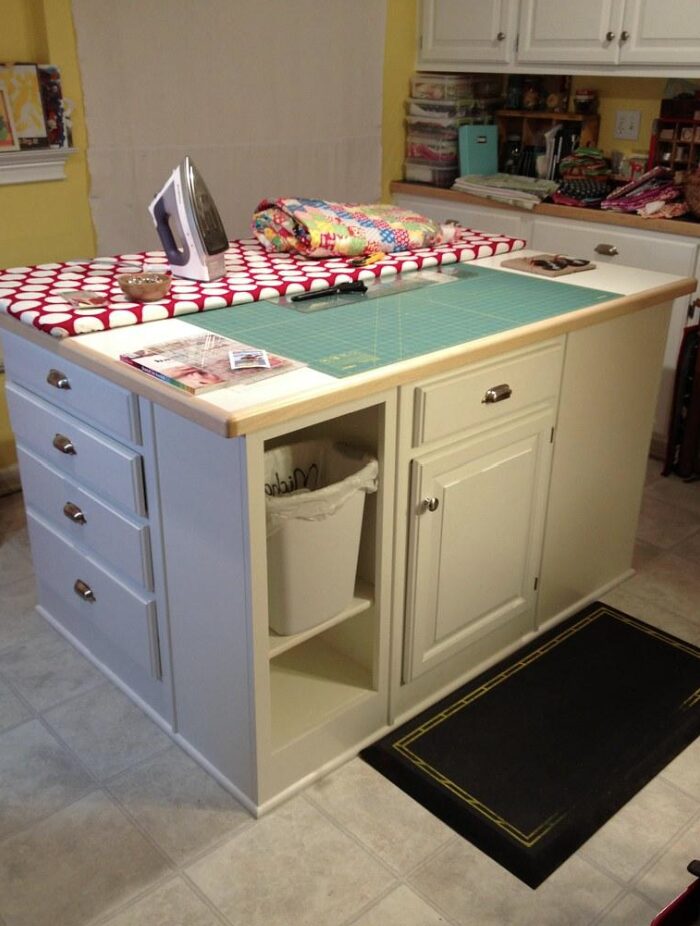
Whether you enjoy quilting, scrapbooking, sewing, painting, knitting, or making custom gifts, a dedicated craft room can make it easier to enjoy your hobby. Instead of packing supplies away after every project, you can keep tools accessible, leave works in progress set up, and create a space designed around the way you work.
But creating a functional craft room requires more than adding a desk and a few storage bins. Without careful planning, it’s nearly a given that you’ll end up with cluttered surfaces, difficult-to-find supplies, and storage solutions that don’t fit your needs.
The biggest craft room frustrations usually happen before the first storage container is purchased. Avoiding these common mistakes can help you create a space that works from day one.
1. Not Planning Your Layout First
It’s tempting to start shopping for furniture and storage as soon as you’ve chosen a room. However, planning your layout first can help you avoid:
- ⬥ Buying furniture that blocks walkways
- ⬥ Choosing storage that doesn’t fit your supplies, or
- ⬥ Discovering you need additional outlets after the room is finished
Think about how you actually work. Do you need room to spread out fabric? A large cutting surface? Easy access to tools? Space for multiple projects at once?
Sketch out your room before making purchases. Consider the location of electrical outlets, windows, and doors so your workspace feels comfortable and functional.
2. Buying Storage Before You Know What You Need
Beautiful storage containers are everywhere, but buying them too early often leads to wasted space and mismatched organization.
Instead, gather your supplies in one place and sort them into categories first. You may discover you need shallow drawers for vinyl sheets, open shelving for yarn, or stackable bins for scrapbook paper.
Once you know what you need to store, you can choose solutions that fit your collection instead of forcing your supplies into containers that don’t work.
3. Forgetting About Good Lighting
Poor lighting can make it harder to match fabric colors, see small stitches, measure materials accurately, or work on detailed projects for longer periods.
Whenever possible, place your primary work surface near natural light. Then add layered lighting, such as:
- ⬥ Overhead lighting for the entire room
- ⬥ Adjustable task lighting for detailed work
- ⬥ Under-cabinet lighting for workstations
- ⬥ Daylight bulbs that make colors appear more accurate
The right combination of lighting helps you see details clearly while making your workspace more comfortable during longer crafting sessions.
4. Not Leaving Enough Workspace
Storage is important, but the space where you create matters just as much.
Many homeowners fill their craft rooms with cabinets and shelving, only to discover they have little room left for actual projects.
If you regularly sew quilts, assemble scrapbook pages, or paint large canvases, prioritize a generous work surface. Fold-down tables, rolling carts, and multi-purpose furniture can provide additional workspace without permanently taking over the room.
5. Ignoring Vertical Storage
When floor space is limited, look up.
Walls offer valuable storage opportunities that many people overlook. Pegboards, floating shelves, wall-mounted organizers, and magnetic strips can keep frequently used tools within easy reach while freeing your work surfaces.
Vertical storage also keeps supplies visible, which reduces the chance of buying duplicates because you forgot what you already owned.
6. Not Planning for Future Hobbies
Craft collections rarely stay the same size. A quilter may eventually add specialty rulers and fabric storage, while a Cricut user may collect vinyl, cutting mats, and additional tools over time.
Choose adjustable shelving, modular storage, and furniture that can adapt as your interests change. Leaving extra room now can prevent a complete reorganization later.
7. Overlooking Electrical Needs
Modern craft rooms often require more power than homeowners expect.
You may need outlets for sewing machines, cutting machines, heat presses, glue guns, charging stations, laptops, or photography lighting.
Before settling on a layout, make sure outlets are conveniently located. Avoid creating a workspace that depends on multiple extension cords stretched across the room.
8. Forgetting to Organize Works in Progress
Every crafter has unfinished projects.
Without a designated place for them, half-finished quilts, knitting projects, or scrapbook layouts can quickly consume every available surface.
Create dedicated bins, drawers, or shelves specifically for current projects. Separate storage helps you find unfinished work quickly without digging through everyday supplies.
9. Skipping an Inventory of Expensive Equipment
Many hobbyists build a collection of valuable equipment over time, from sewing machines and embroidery machines to cutting machines, cameras, and specialty tools that can cost hundreds or even thousands of dollars.
Yet many homeowners never document what they own.
Keeping a home inventory with photos, purchase information, warranties, and receipts can make insurance claims easier if equipment is damaged or stolen. HomeZada helps homeowners store equipment details, receipts, warranties, and inventory information alongside their other household records.
10. Thinking Organization Is a One-Time Project
A craft room should evolve along with your hobbies. Regular maintenance keeps the space useful instead of letting it slowly become another storage area.
Set aside time every few months to:
- ⬥ Donate supplies you no longer use
- ⬥ Replace broken organizers
- ⬥ Restock frequently used materials
- ⬥ Label new storage containers
- ⬥ Reevaluate your workspace as your hobbies change
Small maintenance sessions help keep clutter from taking over your creative space.
Build a Craft Room That Works With the Way You Create
The best craft rooms are not necessarily the biggest or most elaborate. They are the spaces where everything has a purpose, from the drawer holding your everyday tools to the shelf protecting supplies for future projects.
When your room supports the way you create, staying organized becomes part of the creative process instead of another task on your list.
HomeZada can help you keep track of craft room improvements, store receipts and warranties for furniture and equipment, and maintain an inventory of valuable crafting tools.
With your home information organized, you can spend less time searching for supplies and more time enjoying your next project.
7 Craft Organization Ideas You Can Use Today
