
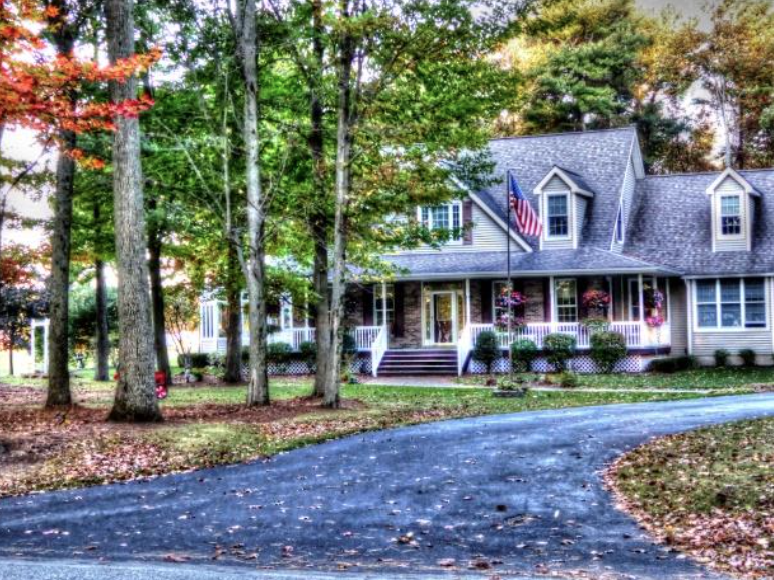
Fall is a great time to give your home a little attention before winter arrives.
You probably already know you should clean the gutters, rake the leaves, and have your heating system checked. But those aren’t the only things on your fall home maintenance list.
Some of the most important tasks are also the easiest to forget. A clogged dryer vent, a leaky outdoor faucet, or a dead tree branch might not seem urgent today. But once freezing temperatures, snow, ice, and winter winds arrive, those little problems can quickly become expensive ones.
Before you put away the rake for the season, take a few minutes to check these 10 often-forgotten fall maintenance tasks.
1. Check and Seal Your Windows and Doors
Your heating system isn’t the only thing keeping your home warm during the winter. Your windows and doors have a role to play, too.
Walk around your home and check for drafts around window frames and exterior doors. Look at the weatherstripping around doors and inspect the caulking around windows for cracks or gaps.
If you find a problem, replacing worn weatherstripping or adding fresh caulk may be a relatively inexpensive way to reduce drafts and keep heated air inside.
Don’t forget less frequently used doors, such as a basement or garage entry door. These can be easy to overlook during a quick inspection.
Pro tip: Record repairs and maintenance for your windows and doors so you know when they were last inspected or replaced.
2. Inspect the Roof Before Winter Weather Arrives
Your roof takes a beating during the winter, so fall is a good time to look for problems before snow and ice make them worse.
From the ground, look for:
- ⬥ Missing or damaged shingles
- ⬥ Damaged flashing around chimneys, vents, and skylights
- ⬥ Sagging areas
- ⬥ Accumulated debris
- ⬥ Signs of water damage
You can also check your attic for signs of leaks or moisture.
If you spot something that doesn’t look right, have a qualified professional take a closer look. There’s no need to climb onto the roof yourself to perform an inspection.
Catching a small roofing problem in the fall could save you from discovering a much bigger problem after the first winter storm.
3. Clean the Dryer Vent
You probably clean the lint trap every time you use your dryer. But when was the last time you checked the dryer vent?
Lint can accumulate in the vent and exhaust duct over time. A clogged vent can make your dryer work harder, increase drying times, and create a potential fire hazard.
Check the exterior dryer vent, too. Make sure the flap opens when the dryer is running and that it’s free of lint, leaves, and other debris.
If you haven’t cleaned the vent recently, fall is a good time to put it on your maintenance list.
Pro tip: Add dryer vent cleaning to your recurring home maintenance tasks so it doesn’t become another one of those jobs you remember only when something goes wrong.
4. Test Your Smoke and Carbon Monoxide Detectors
Here’s another task that’s easy to overlook because you don’t think about your smoke and carbon monoxide detectors until you need them.
Press the test button on every detector in your home. Replace batteries as needed and check the manufacturer’s recommendations for when the units themselves should be replaced.
Make sure you have carbon monoxide detectors in the appropriate locations, particularly near sleeping areas.
And don’t forget detectors in basements, hallways, and other areas that aren’t part of your daily routine.
A good habit is to test these devices twice a year. Fall is a natural reminder to do it as you prepare your home for the heating season.
5. Inspect Your Chimney and Fireplace
If you have a fireplace, don’t wait until the first cold evening to discover that it needs attention.
Before you start using it for the season, check the fireplace and chimney for visible damage. If you have a wood-burning fireplace, have the chimney inspected and cleaned as recommended by a qualified professional.
You should also check that the damper is functioning properly and make sure furniture, rugs, firewood, and other combustible materials aren’t too close to the fireplace.
Even if you didn’t use your fireplace much last winter, it’s still worth giving it some attention before lighting that first fire.
Pro tip: Keep inspection and cleaning records with your home information. That way, you won’t have to guess when the chimney was last serviced.
6. Flush and Inspect Your Water Heater
Your water heater works hard all year, but it isn’t necessarily something you think about during routine cleaning and maintenance.
Over time, sediment can collect at the bottom of the tank. Depending on the type of water heater you have and the manufacturer’s recommendations, periodically flushing the tank can help remove sediment and maintain efficiency.
Fall is also a good time to look around the water heater for signs of:
- ⬥ Leaking water
- ⬥ Rust or corrosion
- ⬥ Damaged connections
- ⬥ Unusual noises
If you’re not comfortable performing maintenance yourself, ask a professional to inspect and service the unit.
While you’re at it, record the water heater’s age. Knowing how old your major home systems are can help you anticipate when replacement might eventually be necessary.
7. Inspect Outdoor Faucets and Irrigation Systems
A garden hose may not be the first thing you think about when preparing your home for winter, but your outdoor plumbing deserves some attention, too.
Disconnect and store garden hoses. Check outdoor faucets for leaks and make sure you’ve properly shut off and drained exterior water lines if your home’s plumbing system requires it.
If you have an irrigation system, follow the manufacturer’s or installer’s recommendations for winterization. Depending on the system and your climate, that may include draining the lines or having the system professionally blown out.
Don’t forget faucets on the side or back of your house. They’re easy to miss when you’re focused on the more visible areas of your property.
Why does this matter?
Water trapped in vulnerable pipes can freeze, expand, and potentially cause damage. A little fall maintenance can help you avoid a very unpleasant plumbing surprise in the middle of winter.
8. Give Your Furnace and HVAC System Some Attention
“Get the furnace serviced” is probably already somewhere on your fall checklist. But preparing your heating system involves more than scheduling an annual appointment.
Start with the basics.
Check your HVAC filter and replace it if necessary. Make sure supply and return vents aren’t blocked by furniture, rugs, or storage. If you have an outdoor HVAC unit, remove leaves and debris from around it.
If your heating system is due for professional service, schedule it before temperatures drop significantly. Waiting until the first really cold day can mean longer waits if the system needs repair.
And don’t forget to record when you changed the filter or had the system serviced.
Pro tip: Create recurring HVAC maintenance tasks so you receive reminders instead of relying on your memory.
9. Look Up at the Trees
When the leaves are still on the trees, it’s easy to miss damaged or dead branches. Once the leaves start falling, potential problems can become easier to spot.
Walk around your property and look for branches that are:
- ⬥ Dead or broken
- ⬥ Hanging unusually low
- ⬥ Growing toward your roof
- ⬥ Close to power lines
- ⬥ Positioned over your driveway or other structures
Don’t try to remove large or dangerous branches yourself. A qualified tree professional can determine whether a tree or branch needs attention.
This is particularly important before winter storms arrive. Heavy snow and ice can put additional weight on already weakened branches.
And while you’re looking around the yard, check for leaves accumulating around drains, window wells, or other areas where they could interfere with water drainage.
10. Check Your Emergency Supplies
Finally, fall is the perfect time to make sure you’re prepared for the possibility that winter weather could leave you without power or make travel difficult.
Check your emergency supplies and make sure you have:
- ⬥ Working flashlights
- ⬥ Fresh batteries
- ⬥ Portable chargers or backup power sources
- ⬥ Basic tools
- ⬥ First-aid supplies
- ⬥ Snow and ice removal equipment
- ⬥ Supplies for pets
- ⬥ Emergency contact information
If you have a generator, follow the manufacturer’s maintenance recommendations and make sure you know how to operate it safely.
You should also know where your home’s main water shutoff valve, electrical panel, and other important controls are located.
A winter emergency is not the time to start searching for them.
Pro tip: Keep an inventory of emergency supplies and important home information in one place so you can find what you need when you need it.
Don’t Forget the Paperwork
Finally, there’s one more fall maintenance task that doesn’t involve a toolbox.
Take some time to update your home records.
Did you replace an appliance this year? Have the roof repaired? Service the HVAC system? Update your plumbing?
Record those details while they’re fresh.
Keep copies of receipts, warranties, inspection reports, and other important documents. It’s also helpful to record the make, model, serial number, and purchase date of major appliances and home systems.
Why bother?
Because six months from now, you probably won’t remember exactly when you had the furnace serviced or which model water heater you purchased. Having those details readily available makes future maintenance, repairs, warranty claims, and eventual replacements much easier.
This is where a home management system like HomeZada can become particularly useful. Instead of scattering home records across email inboxes, filing cabinets, and random folders on your computer, you can keep your home’s information organized in one place.
Your Fall Home Maintenance Checklist
Ready to get started? Here’s a quick checklist you can work through:
- ☐ Check and seal windows and doors
- ☐ Inspect the roof
- ☐ Clean the dryer vent
- ☐ Test smoke and carbon monoxide detectors
- ☐ Inspect and service the fireplace and chimney
- ☐ Flush and inspect the water heater
- ☐ Winterize outdoor faucets and irrigation
- ☐ Prepare the furnace and HVAC system
- ☐ Inspect trees and remove potential hazards
- ☐ Check emergency supplies
- ☐ Update home maintenance and repair records
You don’t have to tackle everything in one weekend. In fact, breaking the list into smaller jobs can make fall maintenance feel much more manageable.
Start with the tasks that could cause the most damage if they’re ignored, then work your way down the list.
Your goal isn’t only to maintain your home; it’s to make managing your home easier to manage for the rest of the year.
Creating a Budget for Home Maintenance and Repairs
What to Do When Your Home Maintenance Budget Isn’t Enough
Keep Your Doors Open: Garage Door Maintenance Tasks to Tackle This Fall
