

If you’re like most homeowners, you have a number in your head.
It might be your monthly mortgage, a rough estimate of your utility bills, or just a general sense of what it “costs” to live in your home. But here’s the real question: is that number actually accurate?
For many homeowners, there’s a quiet gap between what they think their home costs and what it really costs. And that gap has a way of showing up at the worst possible time.
The Hidden Cost of “Close Enough”
It’s easy to rely on estimates. In fact, most people do. You might catch yourself thinking:
- ⬥“We spend about $2,000 a year on maintenance.”
- ⬥“Repairs don’t come up that often.”
- ⬥“We’ll deal with that upgrade later.”
On the surface, these sound reasonable. But without real data behind them, they’re just educated guesses, and over time, those guesses tend to drift. Some homeowners underestimate and get caught off guard. Others overestimate and hold back on improvements they could easily afford. Either way, decisions start getting made in the dark.
Where the Numbers Start to Slip
The problem usually isn’t one big expense; it’s everything in between. Think about the small, easy-to-forget costs that come with owning a home:
- ⬥Seasonal HVAC servicing
- ⬥Minor plumbing or electrical fixes
- ⬥Appliance repairs
- ⬥Lawn care and landscaping
- ⬥Those “quick weekend” upgrades that never stay quick
None of these feels major in the moment. But together, they tell a much bigger story, and if you’re not tracking them, it’s almost impossible to see the full picture.
Why Guessing Your Home Budget Can Cost You More
When you don’t have a clear handle on your home expenses, certain patterns tend to emerge. You start delaying maintenance, which turns small issues into expensive problems. You overspend in certain areas without realizing it. You avoid upgrades even when they’d make real financial sense.
In other words, uncertainty doesn’t just create stress; it quietly drains your budget over time.
The Shift: From Estimating to Knowing
There’s a noticeable shift that happens when you stop estimating and start tracking. Instead of reacting, you start anticipating. Instead of guessing, you start seeing patterns.
You begin to understand:
- ⬥What your home actually costs you each year
- ⬥Which systems require the most attention
- ⬥Where you can plan ahead instead of scrambling later
And that kind of clarity changes how you make decisions.
A Simple Way to Get Back in Control
Getting started doesn’t have to be complicated; what matters most is consistency. A few simple habits can go a long way:
- ⬥Log expenses as they happen
- ⬥Keep a running record of maintenance, both completed and upcoming
- ⬥Document repairs and upgrades in one place
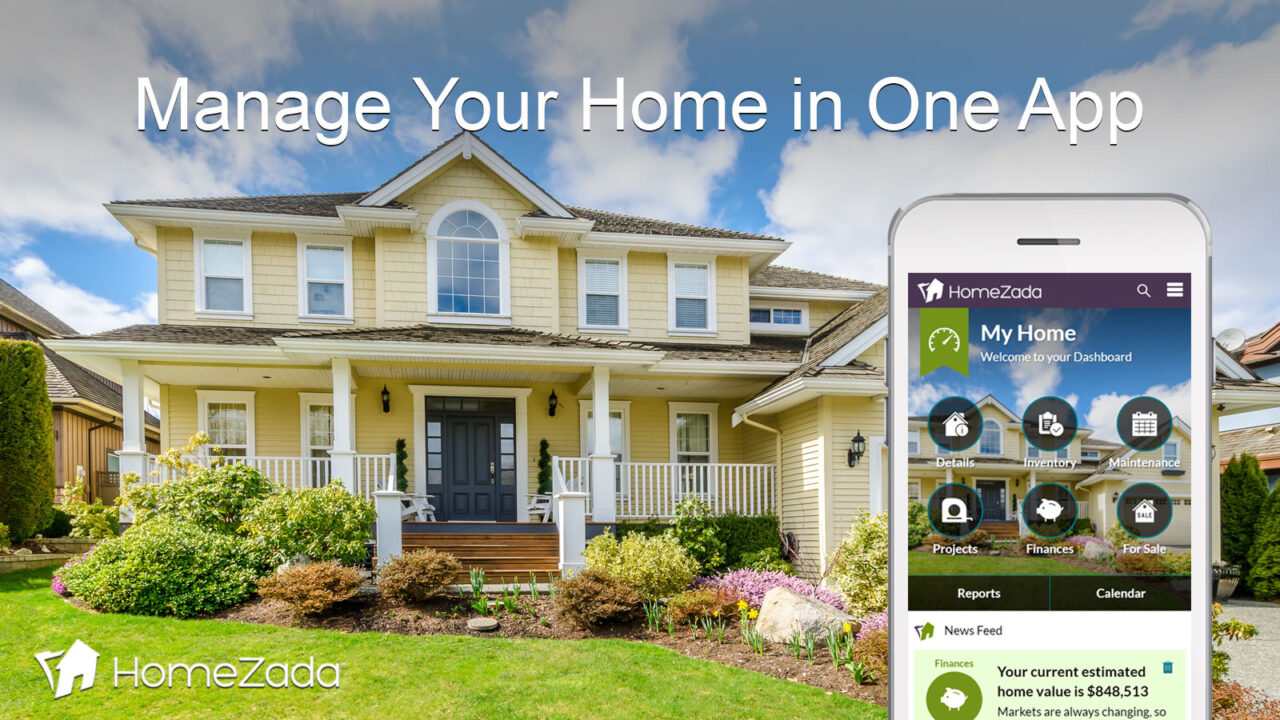
Over time, this builds something incredibly valuable: a clear, organized record of your home’s financial history.
The Bigger Picture
Gaining insight into your finances means more than numbers on a spreadsheet. When you understand what your home truly costs, you reduce financial surprises, make smarter upgrade decisions, and protect your home’s long-term value.
And maybe most importantly, you replace uncertainty with clarity.
Because once you can see the full picture, you’re no longer guessing. You’re in control.
10 Hidden Costs of Homeownership First-Time Buyers Don’t See Coming
Buying a Coastal Home? 6 Hidden Maintenance Costs to Plan For
10 Expenses to Track If You Want to Maximize Your Home’s Resale Value
