
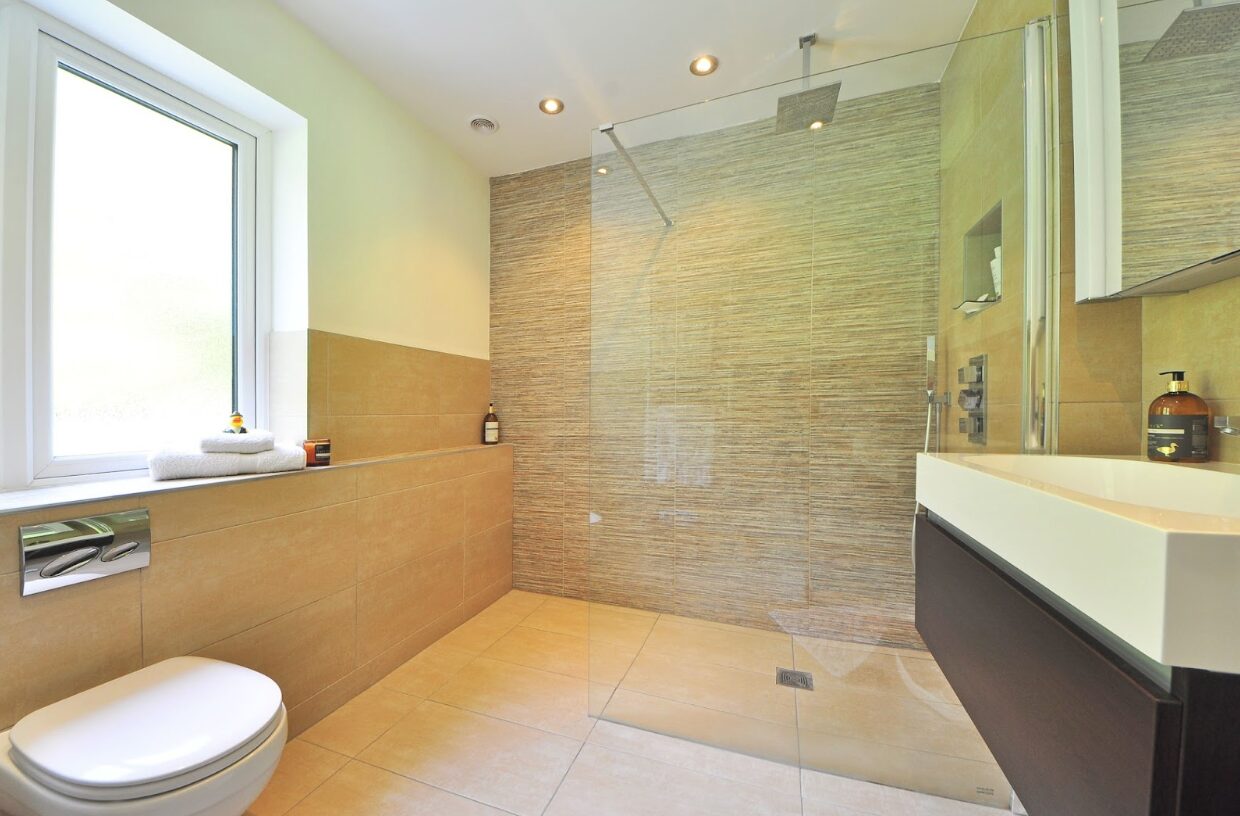
Walk into a newly renovated home today, and you might notice something missing in the bathroom. No bulky shower enclosure, no raised tub edge, no visual barriers at all.
Instead, you’ll spot a sleek, open space where water flows freely across a gently sloped floor.
Once considered a luxury reserved for high-end hotels and European homes, wet rooms are quickly becoming a sought-after feature for everyday homeowners. And it’s not hard to see why.
What Is a Wet Room, Exactly?
A wet room is a completely waterproofed bathroom where the shower area is seamlessly integrated into the rest of the space, allowing the entire room to be designed to withstand moisture without incurring damage.
In modern homes, this usually means a curbless, often doorless shower, continuous floor tiling sloped subtly to a drain, and walls and floors lined with a waterproof membrane or backing rather than a separate enclosed shower stall.
Think of it as a minimalist, all-in-one bathroom that prioritizes function, flow, and style.
Why Homeowners Are Loving Wet Rooms
1. They Make Small Spaces Feel Bigger
If you’ve ever felt cramped in a traditional bathroom, a wet room can make a big difference. Removing visual barriers like shower doors or curtains can make the space instantly feel more open and airy.
For smaller homes or guest bathrooms, this design trick can make a noticeable difference without adding square footage.
2. They Deliver a Sleek, Modern Look
There’s something undeniably clean and calming about a wet room. With fewer fixtures and a seamless design, the result is a spa-like atmosphere that feels both modern and timeless.
Homeowners are leaning into materials like large-format tiles, natural stone, and neutral palettes to enhance that minimalist vibe.
3. They’re Easier to Clean (Yes, Really)
No shower tracks. No glass doors. No tight corners where grime likes to hide.
Because wet rooms are open and streamlined, cleaning becomes much more straightforward. A quick rinse and wipe-down can often do the trick, especially when paired with the right tile and grout choices.
4. They Improve Accessibility
One of the most practical benefits of a wet room is its accessibility. With no step-in threshold, it’s easier for people of all ages and mobility levels to use safely.
This makes wet rooms a smart option for homeowners planning to age in place, or simply looking to future-proof their home.
5. They Add a Touch of Luxury
There’s a reason you see wet rooms in boutique hotels and upscale spas. The design feels intentional, elevated, and just a little indulgent.
For homeowners considering resale value, a well-designed wet room can be a standout feature that appeals to modern buyers.
What to Consider Before Making the Switch
As appealing as wet rooms are, they do require thoughtful planning.
- ⬥ Waterproofing is critical. This isn’t a DIY shortcut project. Proper sealing and drainage are essential to prevent leaks and long-term damage.
- ⬥ Flooring matters. Slip-resistant tiles are a must for safety.
- ⬥ Storage needs a plan. With an open layout, built-in niches or wall-mounted storage can help keep things tidy without disrupting the design.
Is a Wet Room Right for You?
If you’re looking to create a bathroom that feels larger, cleaner, and more modern, a wet room might be exactly what you need. It’s a design choice that blends practicality with a bit of everyday luxury, something more homeowners are starting to prioritize.
And like any smart home upgrade, the key is in the details. When done right, a wet room isn’t just a trend. It’s a long-term investment in how your home looks, feels, and functions.
Pro Tip: If you’re considering a wet room renovation, start by documenting your current bathroom layout, plumbing details, and material preferences. Keeping everything organized in one place can make the planning process smoother and help you avoid costly missteps along the way.
Wet rooms are transforming everyday bathrooms with their sleek, open design. Discover why homeowners are making the switch, and what to consider before you renovate.
