
When you think about your home’s value, your mind probably goes straight to square footage, upgrades, or curb appeal.
But here’s something many homeowners overlook: what’s just down the street.
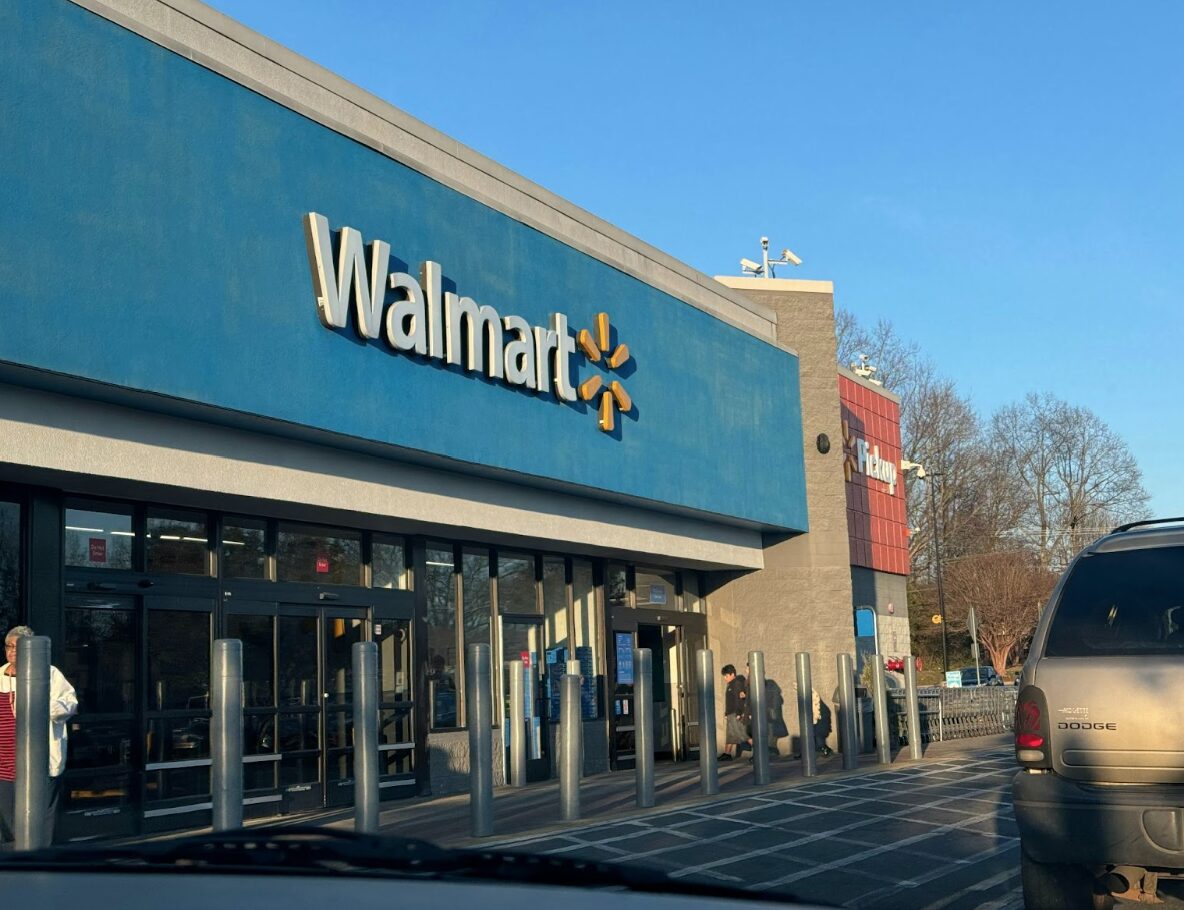
A recent study found that homes located near stores like Trader Joe’s and Walmart can show noticeable differences in home values. It’s not just convenience; it’s about how buyers perceive the neighborhood and the lifestyle it offers.
Let’s unpack what that really means for you as a homeowner.
Why Nearby Retail Impacts Home Value
At the end of the day, buyers aren’t just purchasing a home; they’re buying into a daily experience.
Perception Shapes Price
Different retailers send different signals.
A nearby Trader Joe’s often suggests a neighborhood that’s walkable, curated, and lifestyle-focused. On the other hand, a nearby Walmart emphasizes accessibility, affordability, and everyday convenience.
Neither is inherently better, but each attracts different buyers, which can influence demand and pricing trends.
Convenience Creates Competition
Imagine choosing between two similar homes, one is 5 minutes from groceries, the other is 20.
For most buyers, that’s an easy decision.
Proximity to retail, especially grocery stores and big-box essentials, makes life easier. And when more buyers want that convenience, competition often increases, pushing home values higher.
Retail Signals Growth
Retail development is rarely random.
When major stores move into an area, they often bring:
- ⬥ Road and infrastructure improvements
- ⬥ Additional businesses and restaurants
- ⬥ Increased visibility and traffic
Over time, this can reshape a neighborhood and increase its desirability.
What You Should Do With This Information
You can’t control which stores move into your neighborhood, but you can control how you position your home within that environment.
Highlight What’s Nearby
If your home is close to popular retail, don’t leave that value unspoken.
Document:
- ⬥ Distance to grocery stores and shopping
- ⬥ Walkability features
- ⬥ Nearby conveniences buyers will care about
These details help potential buyers see your home as part of a lifestyle, not just a structure.
Track Neighborhood Changes
New store opening? Road expansion? New restaurants popping up?
Those are all signals of growth.
Keep a simple record of:
- ⬥ Retail developments
- ⬥ Nearby construction or improvements
- ⬥ Shifts in property values
Over time, this gives you insight into when your home may be increasing in value and why.
Match Your Upgrades to Buyer Expectations
Here’s where smart homeowners separate themselves from the crowd.
If your home is near higher-end retail like Trader Joe’s, buyers may expect:
- ⬥ Updated kitchens
- ⬥ Modern finishes
- ⬥ Move-in-ready spaces
If your home is closer to convenience-driven retail like Walmart, buyers may prioritize:
- ⬥ Functional layouts
- ⬥ Storage solutions
- ⬥ Durable, practical upgrades
The goal isn’t to overspend, it’s to invest in the right improvements for your location.
Keep the Bigger Picture in Mind
Retail is just one factor.
Your home’s value is still shaped by factors like:
- ⬥ Overall maintenance
- ⬥ Neighborhood condition
- ⬥ Market timing
But when you combine those fundamentals with a strong understanding of your location, you create a much more compelling story for buyers.
The Bottom Line
Your home doesn’t exist in isolation; it’s part of a neighborhood ecosystem.
The stores, services, and development around you all influence how buyers perceive value. When you recognize that and take the time to document and highlight it, you put yourself in a stronger position when it’s time to sell.
Pro Tip: Start a simple “neighborhood file” alongside your home records. Track new store openings, local improvements, and nearby amenities. When you’re ready to sell, you’ll have more than just specs; you’ll have a story buyers can connect with.
How to Improve your Property’s Real Estate Value with Art
How To Make the Buying Decision for A New Home: A Guide by Real Estate Experts
