Episode Summary
Most people spend more time planning their retirement accounts than planning for the home they’ll actually live in during retirement — yet for many Americans, the home is their largest asset, largest expense, and the biggest factor in whether retirement feels stressful or comfortable. Beth Dodson sits down with Rebecca Ivy of Blue Sky Financial for a candid, funny, and deeply practical conversation about treating retirement as “life design.” They cover legacy homes vs. cash-flow homes, HELOCs and reverse mortgages, military clients with rental properties in multiple states, why your kids probably don’t want your stuff, the three D’s every woman should plan for, and Rebecca’s unforgettable “get on the scale” philosophy: you can’t make good choices about numbers you refuse to look at.
Key Topics & Timestamps
(00:41) — Why your home belongs in your retirement plan Beth frames the episode: your home is often your largest asset and expense, and the biggest factor in whether retirement feels stressful or comfortable.
(01:54) — Retirement is designed around you Rebecca’s philosophy at Blue Sky: no two clients are alike. Common paths include downsizing to fund retirement, or keeping a paid-off home as a long-term care safety net. (Nobody ever asks for a bigger house.)
(03:13) — Beach houses, cabins, and rental portfolios Some clients plan for a second home; others fund retirement entirely through real estate. Military clients often accumulate paid-off rentals in multiple states — but managing properties from a distance at 67 is different than at 40.
(05:08) — Real estate: concrete but flexible Sell it and live in a camper van, keep it as the family legacy hub, tap a HELOC in a health crisis, or explore a reverse mortgage. Unlike Bitcoin, real estate offers relative stability even as markets flux.
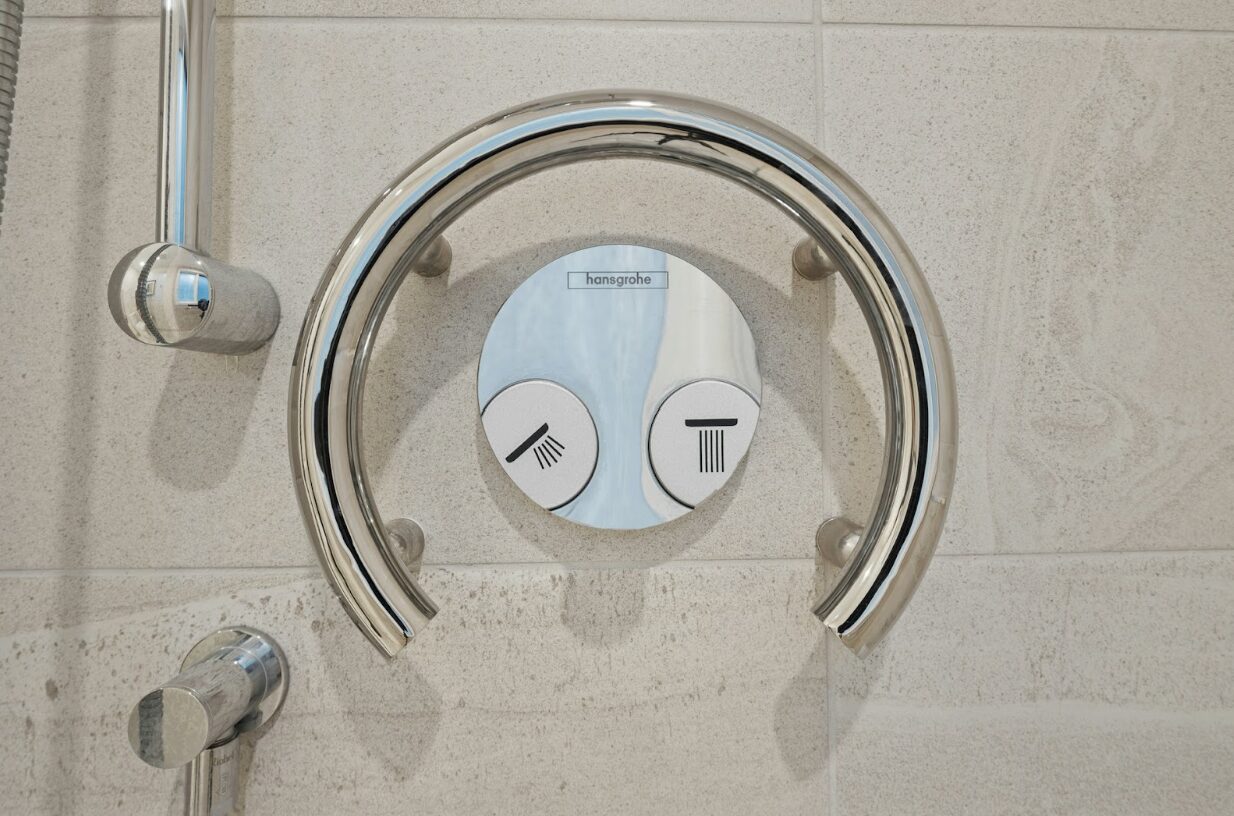
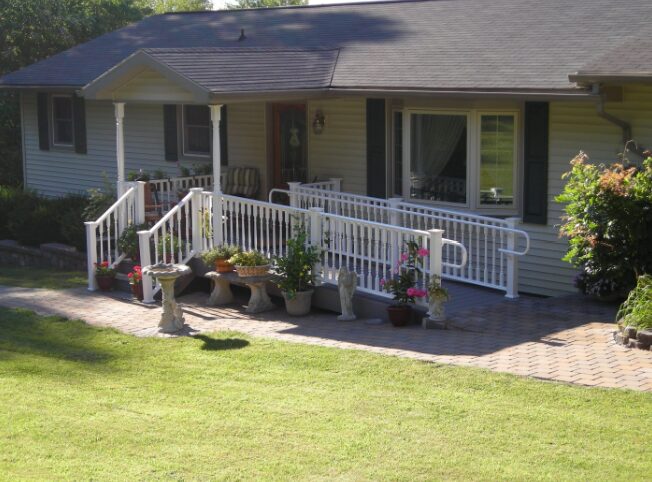
(06:34) — Funding aging in place Using home equity for accessibility updates (wider doors, ramps), healthcare needs, and in-home care.
(07:56) — The reality for women Women make less, save less, live longer, and often become caretakers for adult children and aging parents. Real estate appeals because it delivers the two things women need in planning: safety and control.
(09:44) — Legacy home or cash-flow home? The big question. If it’s not a legacy home, HELOCs and reverse mortgages make sense because you’re planning toward an eventual sale. If it is, talk to your children — they may surprise you.
(11:09) — The $8,000 vs. $32,000 carpet quote Same house, same 3,000 square feet, same woman — two wildly different bids. Not everybody’s a good guy; get multiple quotes and be careful.
(12:21) — The $5 million garage door panic A client with over $5M saved was stressed about affording new garage doors. Rebecca’s approach: don’t pat people on the head — walk through the numbers logically until confidence is real.
(13:14) — Hope is not a plan A cash-flow home puts you in “danger territory” if the market doesn’t cooperate when you need it. Be intentional, not reactive.
(13:45) — The emotional side of the decision Keep the legacy home? Downsize? Hire a property manager? Balancing nostalgia (finger-painted hallways, gold star stickers everywhere) against practicality (no more mowing at 67).
(18:28) — Retirement myths The biggest: not seeing retirement as life design. Also — “this is my home and I will never let it go” as a default rather than a decision, and assuming your kids want the house and the stuff. (They don’t want your stuff. Ask them.)
(23:21) — When should you start planning? When you get a job. Rebecca has retirement conversations with 25-year-olds. The longer your runway, the more creative power you have. Her advice to her 18-year-olds: put away $500 a month before life gets expensive.
(27:47) — The three D’s for women Death, divorce, desperation. Rebecca shares the story of her husband’s sudden health crisis at 43, while homeschooling six kids: “The universe doesn’t give us a warning shot.” Divorce for women 50+ is up over 40% — plan for flexibility.
(31:04) — Two things to do this year One: build a vision — if you didn’t have to work, what would your life and income look like? Two: know your numbers — savings, home value, and whether your piece of the planet is appreciating.
(33:24) — “Get on the scale” Rebecca’s obstetrician’s tough-love lesson, reclaimed as financial wisdom: the number isn’t good or bad — what you do after you look at it is. You can’t make a good choice about numbers you refuse to see.
Key Takeaways
- Your home is a retirement asset — decide intentionally whether it’s a legacy home or a cash-flow home, because the strategies differ completely.
- Retirement is life design, not just Social Security timing and 401(k) withdrawal rates.
- Real estate is uniquely flexible for a hard asset: sell, rent, HELOC, or reverse mortgage — but “hope the market cooperates” is not a plan.
- Talk to your children before assuming the house or the stuff is a legacy they want.
- Women especially should plan for the three D’s — death, divorce, desperation — because they make less, save less, live longer, and caretake more.
- Start planning when you get your first job; the longer the runway, the more creative power you have.
- Get multiple quotes on home projects in retirement — the same job can be bid at $8,000 or $32,000.
- Know your numbers. Awareness isn’t good or bad — it’s the starting point for every good decision.
Guest
Rebecca Ivy