
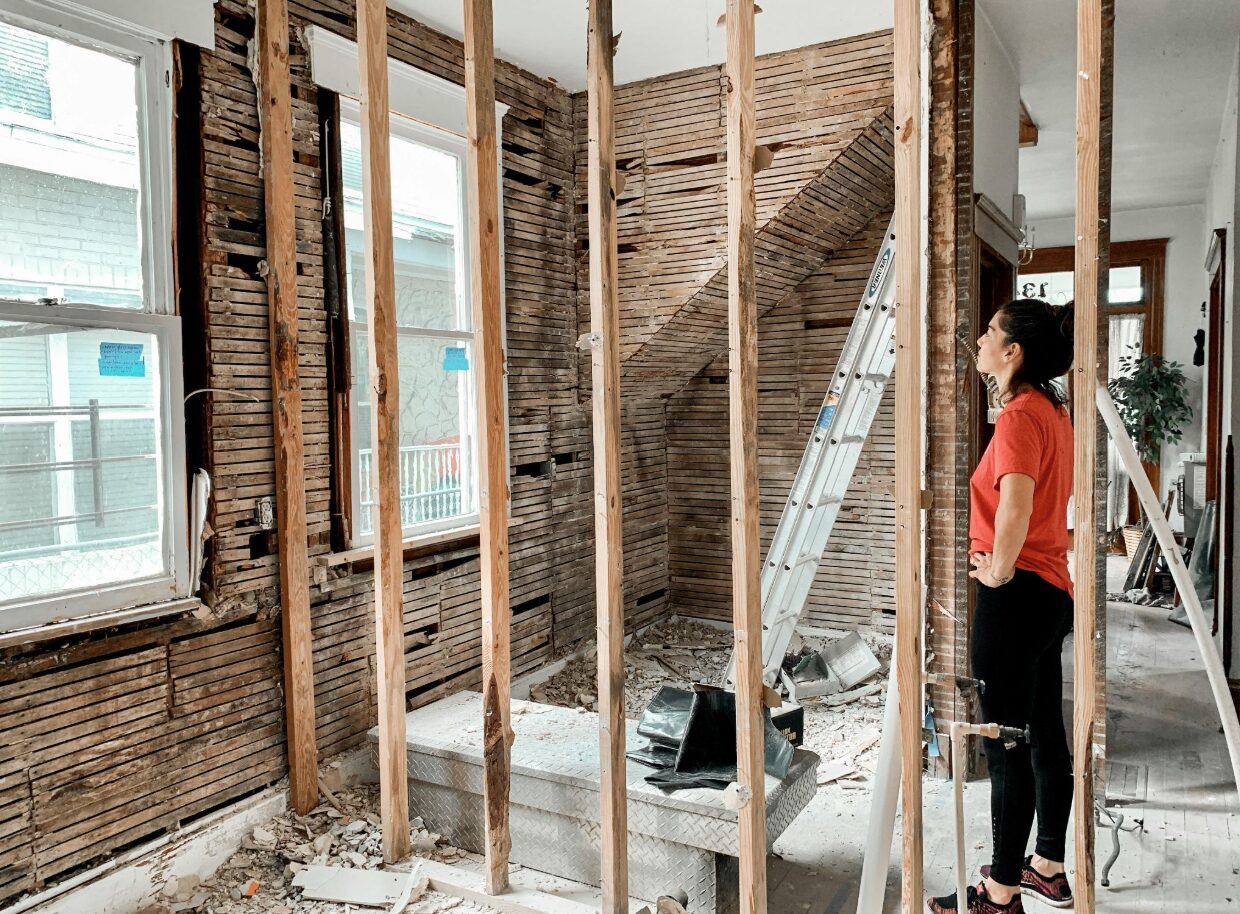
There’s something exciting about walking into a home with “potential.”
Maybe it’s the original hardwood floors hiding beneath old carpet. Maybe it’s the oversized backyard, the charming architecture, or the idea of transforming a dated property into something uniquely yours.
For many buyers, fixer-uppers offer a way to enter neighborhoods that might otherwise feel financially out of reach, often with larger lots or more square footage than similarly priced move-in-ready homes.
But the lower purchase price often hides renovation costs buyers don’t fully anticipate during the excitement of house hunting.
TV renovation shows rarely capture the full reality of major home projects: budget overruns, hidden repairs, permit delays, contractor scheduling issues, and the emotional stress that can accompany months of construction.
That doesn’t mean buying a fixer-upper is a bad idea. It simply means homeowners need to approach the process with realistic expectations, careful planning, and a realistic understanding of renovation expenses, timeline risks, and unexpected repair costs.
The Purchase Price Is Only the Beginning
One of the biggest mistakes buyers make is focusing only on the listing price.
A lower purchase price can feel like a bargain compared to move-in-ready homes, especially in competitive housing markets. But renovation expenses often expand far beyond the original estimate once demolition begins.
A kitchen remodel that starts with new cabinets and countertops can easily uncover outdated wiring, plumbing leaks, or damaged subflooring once contractors open the walls.
Industry experts often recommend calculating the full project cost, including:
- ⬥Purchase price
- ⬥Renovation expenses
- ⬥Permit fees
- ⬥Temporary housing costs
- ⬥Contractor labor
- ⬥Material price increases
- ⬥A contingency fund for surprises
The contingency fund becomes especially important once contractors begin uncovering hidden problems behind walls and under flooring.
Older homes frequently contain plumbing problems, outdated electrical systems, water damage, foundation cracks, or drainage issues that can add thousands of dollars in repairs buyers never included in their original budget.
Because of that uncertainty, many contractors recommend adding at least 20% to renovation estimates as a financial safety buffer.
Cosmetic Updates vs. Major Structural Problems
Not all fixer-uppers come with the same level of financial risk.
Homes that mainly need cosmetic improvements: paint, flooring, lighting, landscaping, or bathroom updates, usually create fewer surprises than homes with structural or system-related issues.
Homeowners can usually budget cosmetic projects more accurately and complete them gradually over time.
The financial risks increase significantly when repairs involve the home’s structure or major systems.
Foundation movement, roof damage, sewer line failures, extensive water intrusion, or outdated electrical panels can quickly create a situation where homeowners burn through emergency savings faster than expected.
Some repairs demand immediate attention before homeowners can safely live in the property.
That’s why inspections matter so much.
Experienced buyers often bring contractors, electricians, or foundation specialists to walkthroughs to better estimate repair costs before committing to the purchase.
Renovation Timelines Almost Always Expand
Homeowners frequently underestimate how long renovations take.
A project expected to last two months can easily stretch into six because of permit delays, back-ordered materials, contractor scheduling conflicts, weather interruptions, or newly discovered repairs.
Every additional month of delays can mean extra mortgage payments, storage fees, rental costs, and labor expenses that weren’t part of the original budget.
For homeowners paying rent while also carrying a mortgage, those delays can create immediate financial pressure.
Even homeowners living in the property during renovations often deal with weeks of cooking without a functional kitchen, sharing one bathroom, or waking up daily to construction noise and dust.
That pressure often changes how homeowners experience the renovation itself, turning what started as an exciting project into a source of daily stress.
The “After Repair Value” Doesn’t Always Match Expectations
Another common mistake is overestimating how much value renovations will add.
Just because homeowners invest heavily in upgrades doesn’t mean buyers will automatically pay more for the property later.
Real estate professionals often encourage buyers to compare renovation budgets against nearby comparable home sales, sometimes called the “after repair value” or ARV.
When homeowners spend nearly as much renovating a fixer-upper as buyers already pay for updated homes nearby, the investment becomes much harder to justify.
Short-term homeowners face the greatest risk because they have less time to recover renovation costs through appreciation.
The most successful renovation projects usually happen when buyers:
- ⬥Purchase below market value
- ⬥Avoid major structural surprises
- ⬥Renovate strategically
- ⬥Focus on upgrades that match neighborhood expectations
Sometimes the Better Investment Is a Livable Home
In today’s market, some buyers are moving away from massive renovation projects and instead searching for homes that feel functional from day one, even if they plan to update them gradually over time.
That approach often reduces financial pressure while allowing homeowners to spread renovation expenses across several years instead of facing massive upfront costs immediately after closing.
That slower approach also gives homeowners more flexibility when unexpected repairs, job changes, or rising material costs affect the budget.
A home doesn’t need to feel perfect immediately to become a strong long-term investment.
Why Realistic Planning Matters More Than Renovation Excitement
Fixer-uppers can certainly work out well for homeowners who plan carefully and budget realistically.
The key is to look beyond the excitement of the transformation and prepare for the realities of renovation before work begins.
Before buying a home that needs work, homeowners should:
- ⬥Get detailed inspections
- ⬥Research contractor pricing
- ⬥Build contingency funds
- ⬥Understand local property values
- ⬥Create realistic renovation timelines
- ⬥Prioritize essential repairs before cosmetic upgrades
Most importantly, buyers should think carefully about how the renovation will affect their finances, schedules, and daily routines over the next several months, or even years.
Even the most exciting renovation projects can become difficult to manage once timelines slip and costs start climbing.
With tools like HomeZada, homeowners can track renovation expenses, organize contractor estimates, manage project timelines, and store important home documents in one central location.
Renovation projects rarely unfold exactly as planned, but homeowners who track expenses, timelines, and repair priorities in one place are often better prepared to adapt when surprises happen. Staying organized doesn’t eliminate setbacks, but it can prevent small problems from turning into expensive ones.
Should you Buy a Fixer Upper Infographic
New Build or Fixer-Upper? Which One is Right for You?
