Episode Summary
Have you ever walked into a home and immediately felt comfortable — or walked into a beautiful room that somehow felt wrong? Beth Dodson explores why with Lisa Morton, a designer and certified feng shui master teacher with 20+ years of experience. Lisa demystifies the 4,000-year-old practice as a grounded “art and science of arrangement”: color affects the nervous system, lighting affects mood, and furniture placement shapes how we connect. They cover the front door as the “mouth of Qi,” the walk-in-like-a-stranger exercise, clutter as a subconscious ping, the five elements, the command position for beds and desks, why you shouldn’t sleep on top of a to-do list, and one powerful weekend project: love on the center of your home. Skeptics get a challenge too — give it six weeks.
Key Topics & Timestamps
(00:41) — Why do some homes just feel right? Beth opens with the question everyone has experienced: a room can look beautiful but feel off — and the flow, light, colors, clutter, and furniture may be influencing how you feel and function.
(02:29) — What feng shui actually is First off: it’s not Chinese food (yes, Lisa’s been asked). It’s a 4,000-year-old art and science of arrangement — examining whether your home is supporting your stress relief, sleep, and focus, or working against them.
(03:53) — The HGTV-ready home that wasn’t supporting her Lisa’s own story: a designer, photo-shoot-perfect home during a period of anxiety and overwhelm — with the wrong colors, patterns, and imagery. Beautiful, but “just pretty to look at.”
(05:42) — Quick tips vs. going deep Easy fixes genuinely improve a space, but concrete life shifts require looking at your specific land, layout, lifestyle, and goals — your single-story home with two dogs is not your neighbor’s two-story with five kids.
(06:45) — The book exercise Beth loves From Aligned at Home: a short guided walk through your own front door, noticing where your eyes go and how you feel — revealing both your goals and your guests’ first impression.
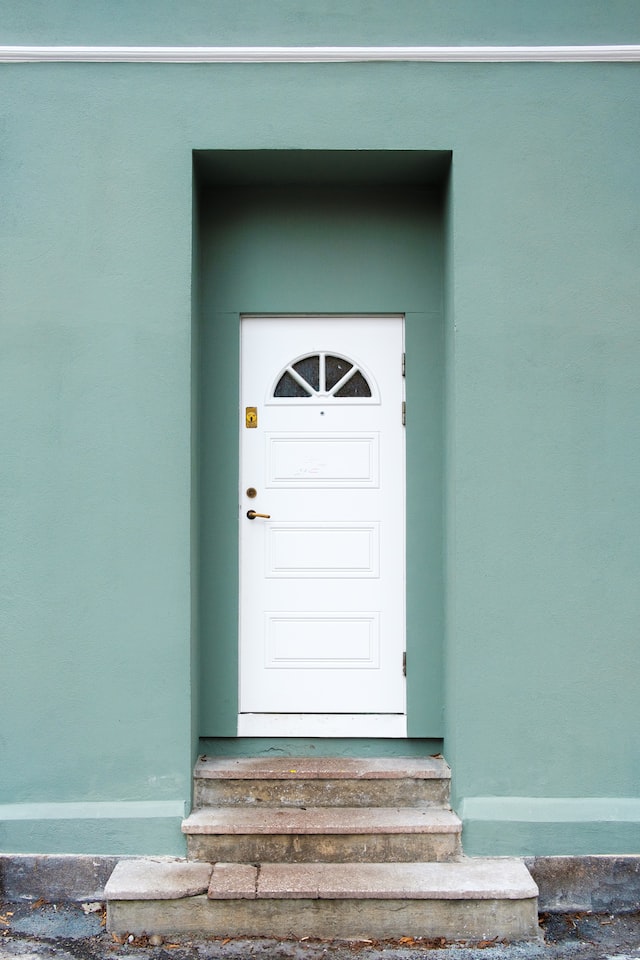
(07:57) — The front door is the mouth of Qi Energy, opportunities, friendships, and job offers enter here. Keep it fresh: clean rug, pretty wreath, no squeaky hinges. Then walk around the block and re-enter as if you’ve never been there — what’s the first thing your eyes land on?
(09:44) — Actually use your front door Garage-door people, take note: hang the dog leash or keep your sneakers in the coat closet so your daily walk moves that front door. An unused door keeps opportunities standing outside.
(10:11) — This isn’t woo — it’s grounded Color affects the nervous system, lighting affects mood (February crankiness is real), and furniture arrangement shapes conversation. A sofa across the room from a lone chair is not an intimate setup.
(11:48) — Beth’s fiery red sofas Beloved paprika-red sofas… and constant spats with her husband. “Little too spicy, little too fiery.” Neutral sofas, happier marriage. Sometimes the fix is color; sometimes it’s just rearranging the layout.
(12:33) — Shop your home No remodel required. That blue throw pillow in the closet, the candlestick in the pantry — rearrange, repurpose, and shift how energy flows for free.
(14:40) — Clutter, gently Clutter carries emotion — fear, holding on, “I might need this.” Be kind to yourself, but make sure everything in your home is worthy of being there. Donate rather than landfill: do you really need nine coats, or would eight and a warm neighbor be better?
(16:08) — One thing, not the whole house Skip the overwhelming weekend purge. Choose one thing that’s blocking you — often that memory-laden box in the corner. Even forgotten clutter “pings” your subconscious like a phone notification.
(19:01) — The five elements Wood, fire, earth, metal, water — how feng shui describes the world. Balance them by purpose: bedrooms and reading rooms want watery, earthy calm; kitchens and workout spaces want fire and wood energy. A beige, silent casino would be boring; a red, rock-music spa would be stressful.
(21:58) — Bedroom: the command position Solid wall and headboard behind you, door visible off to the side (not directly across from your feet) — the ancient “mountain behind, valley in front.” And clean out under your bed: one client was literally sleeping on top of unread books and unfinished photo albums — “sleeping on a to-do list.” Others sleep over “the jeans I’ll fit into someday.” Lisa recommends nothing under the bed.
(27:12) — Home office: routine, command, and focus Create a dedicated space — even a nook — and a physical open/close routine (blinds, lamp, chair) that trains your body into and out of work mode. Sit in the command position. And audit your field of view: cute trinkets directly behind your monitor are adorable distractions; move them to a side wall.
(31:01) — The skeptic’s challenge: six weeks Try the changes for six weeks — you can undo everything after. Lisa’s clients call before the deadline: sleeping better, loving their home, finally watching movies together. Journal your emotions at the start and re-evaluate at the end.
(32:44) — One thing to do this weekend: love on your center Using the Bagua map (nine energy centers laid over your floor plan), the centermost area connects to all the others. Find your home’s center as a bird would see it, and make it beautiful: fresh flowers, a houseplant, swept floors, working bulbs, a scented candle. Lifting the center lifts every space.
(34:34) — Bonus: feng shui your car The center console is your car’s center — clear the junk, add a granola bar, a nice pen, and a bottle of water, and let it radiate out.
(35:34) — Where to find Lisa PureLivingWithLisaMorton.com and @PureLivingWithLisaMorton on social — plus her podcast and her book Aligned at Home, available on Amazon, Barnes & Noble, and wherever you get books.
Key Takeaways
- Feng shui is grounded, not magic: color affects your nervous system, lighting affects mood, and furniture placement shapes connection.
- Your front door is the “mouth of Qi” — keep it fresh, and build a routine (dog walks, package pickup) that actually uses it.
- Shop your home before you shop the store: rearranging and repurposing shifts energy for free.
- Clear clutter gently — one blocking item at a time — because even forgotten clutter pings your subconscious.
- Ask whether every item is worthy of being in your home; donate what isn’t.
- Sleep and work in the command position: solid wall behind, door visible to the side — and keep nothing under your bed.
- Balance the five elements by a room’s purpose: calm elements for rest spaces, fiery ones for high-energy spaces.
- Skeptical? Give it six weeks and journal the before-and-after.
This weekend: find the center of your home and love on it — it lifts the energy of every other space.
Resources Mentioned
- Lisa Morton: PureLivingWithLisaMorton.com | @PureLivingWithLisaMorton on social media
- Aligned at Home by Lisa Morton — available on Amazon, BarnesandNoble.com, and wherever you get books (includes the front-door exercise Beth recommends)
- Feng Shui Living Podcast — Lisa’s show
- HomeZada: Home inventory reminder — don’t forget what’s in cabinets, drawers, closets, and under beds
Call to Action
If this episode resonated with you, share it with someone whose home could use a little more support (or a little less under-the-bed storage). Subscribe to Be a Smarter Homeowner for more expert conversations on all things home!