
For years, homebuying conversations centered around practical concerns.
Interest rates. Square footage. School districts. Commute times. Resale value.
Those factors still matter, of course. But in 2026, another influence is shaping buyer decisions: emotional resonance.
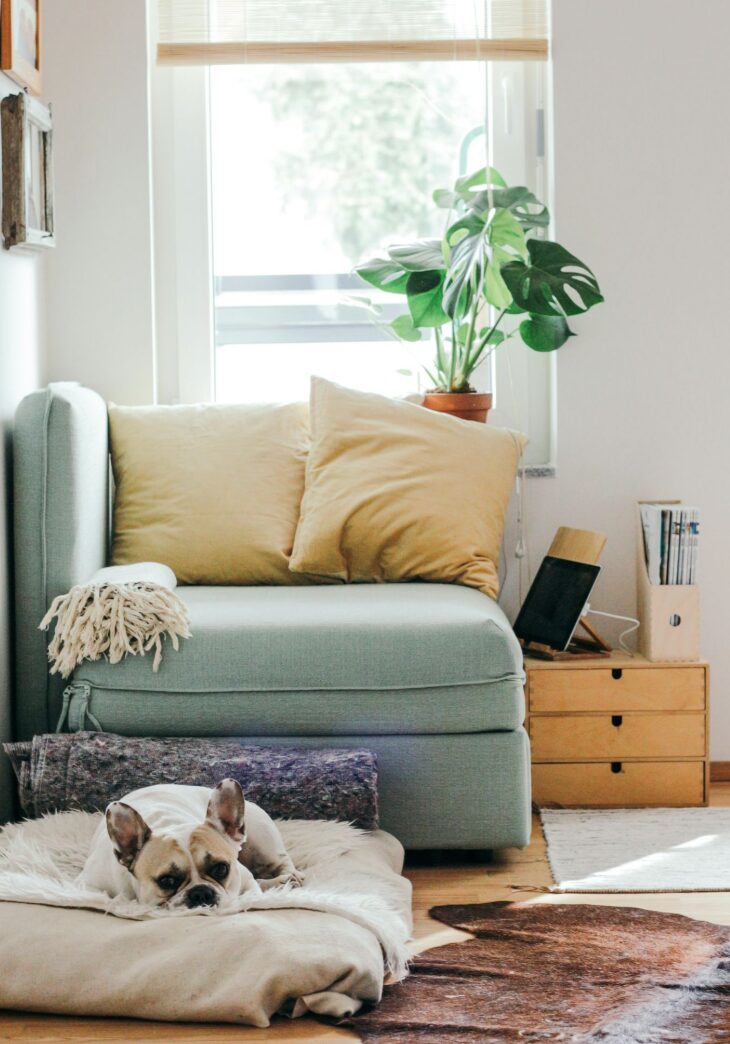
Today’s buyers are responding to homes that feel calming, flexible, and easy to live in, not just homes with the right number of bedrooms or a larger kitchen island.
That shift is changing how homes are designed, staged, renovated, marketed, and organized. Buyers increasingly want spaces that reduce stress, simplify routines, support remote work or entertaining, and create an immediate sense of comfort.
Builders are discovering that thoughtful design features, like wellness spaces, layered lighting, flexible gathering areas, and intentional storage, can create buyer excitement more effectively than temporary incentives like rate buydowns or upgrade credits.
That shift is also changing what sellers need to emphasize when preparing a home for the market.
Buyers Want More Than Functionality
A functional home is expected.
Homes that create a sense of comfort, calm, or connection during a showing tend to stay with buyers long after they leave the property.
That distinction matters even more today because many homeowners with lower mortgage rates no longer want to move unless the next home noticeably improves daily life. Buyers increasingly expect features such as better natural light, flexible office space, usable outdoor areas, and layouts that reduce household stress.
As a result, buyers are paying closer attention to features like:
- ⬥Cozy gathering spaces
- ⬥Flexible floor plans
- ⬥Spa-inspired bathrooms
- ⬥Indoor-outdoor living connections
- ⬥Custom built-ins and reading corners
- ⬥Organized storage spaces
- ⬥Rooms with uncluttered flow and natural lighting
- ⬥Mudrooms and utility spaces that simplify routines
In many cases, buyers imagine how their lives would feel inside a home long before they compare renovation budgets or utility costs.
The Rise of “Emotional ROI”
More builders, agents, and designers are discussing “emotional ROI” as buyers place greater value on homes that improve comfort, convenience, and emotional well-being.
Sometimes that emotional pull comes from large-scale features like outdoor kitchens, soaking tubs, or wellness-focused primary suites.
Other times, smaller details create the strongest reaction.
- ⬥A reading nook tucked beside a window.
- ⬥A fireplace that naturally draws people together.
- ⬥A pantry that keeps kitchen clutter hidden.
- ⬥A drop zone that makes rushed mornings easier.
These details may not increase square footage, but they can dramatically shape how buyers remember a property.
In competitive markets, those memorable details often become the reason buyers schedule a second showing or submit a stronger offer.
Buyers Are Seeking Comfort and Clarity
Economic uncertainty has made emotional comfort more valuable during the homebuying process.
Many buyers already feel overwhelmed by rising costs, renovation decisions, and the logistics of moving. Homes that feel visually calm and emotionally settled often create immediate relief during a showing.
Buyers consistently respond to homes that feel:
- ⬥Organized instead of cluttered
- ⬥Warm instead of sterile
- ⬥Flexible instead of restrictive
- ⬥Comfortable instead of overwhelming
As a result, buyers increasingly favor homes that already feel finished, functional, and emotionally settled.
Even home staging has evolved beyond arranging furniture neatly inside a room. Today’s staging often focuses on helping buyers picture how the home supports daily routines, family interaction, entertaining, or quiet downtime.
Personalization Is Becoming a Major Selling Point
Buyers are moving away from cookie-cutter design in favor of homes with more character and intentional detail.
That doesn’t necessarily mean dramatic renovations or luxury finishes.
Instead, buyers often respond to homes where the details feel personal and practical at the same time.
Examples include:
- ⬥Built-in storage benches
- ⬥Pet washing stations
- ⬥Dedicated hobby or craft rooms
- ⬥Flexible bonus spaces
- ⬥Wood, linen, and matte-finish textures
- ⬥Multiple-layered light sources instead of harsh overhead fixtures
- ⬥Covered patios with dining and conversation areas
That preference extends beyond aesthetics into everyday functionality.
Many buyers now prioritize homes that support emotional well-being by making routines feel easier and less stressful. Quiet office spaces, organized laundry rooms, calming backyard retreats, and efficient storage solutions all contribute to that experience.
Outdoor Spaces Matter More Than Ever
Buyers now prioritize outdoor spaces that feel usable and inviting rather than simply large.
A smaller patio with comfortable seating, privacy landscaping, soft lighting, and a fire feature often creates a stronger emotional reaction than a large backyard with no clear purpose.
That trend reflects a larger shift in buyer priorities. People increasingly want outdoor spaces they will actually use regularly instead of oversized yards that require constant maintenance.
For homeowners with smaller lots, that creates an opportunity to focus on atmosphere, functionality, and comfort rather than square footage alone.
Technology and Organization Play a Role Too
Emotional resonance is not only about aesthetics.
It’s also about reducing friction in daily life.
Smart lighting systems, organized utility rooms, hidden charging stations, flexible storage, and efficient layouts all help buyers picture a home that feels easier to manage.
When buyers immediately sense that daily routines would flow more smoothly inside a home, they often develop a stronger emotional attachment to the property.
Organization now influences how buyers perceive the condition and livability of a home.
Maintenance records, appliance documentation, renovation details, and organized home information reinforce the impression that the property has been carefully maintained over time.
Tip: HomeZada can help by providing a digital, central location for all of your household maintenance documentation.
Emotional Connection Helps Homes Stand Out
In competitive markets, buyers often tour multiple homes that quickly blur together.
The homes people remember often evoke strong emotional responses. Sometimes, this feeling arises from comfort, while other times it stems from excitement. Buyers may sense that living in the home would feel calmer, easier, or more connected.
That emotional response can influence how long buyers stay during a showing, how strongly they remember the home afterward, and how quickly they decide to make an offer.
For sellers, that means presentation is no longer only about appearance. It’s about creating an experience that buyers can imagine themselves stepping into immediately.
Helping Your Home Tell a Better Story
Creating emotional resonance rarely requires a full renovation.
Often, smaller improvements make the biggest difference.
Decluttering crowded spaces, improving lighting, defining gathering areas, organizing storage, and creating inviting outdoor zones can dramatically change how buyers experience a home.
Organization behind the scenes matters too. Homeowners who keep maintenance records, renovation details, warranties, and appliance information organized help reinforce buyer confidence during the selling process.
The homes attracting the strongest emotional response in 2026 are not always the largest or most expensive. They are the homes that make buyers picture a calmer morning routine, an easier workday, or a more connected evening with family and friends.
In a market where buyers hesitate to move unless the change genuinely improves daily life, that emotional connection has become one of the most valuable features a home can offer.
7 Steps to Creating a More Peaceful Bedroom
Home Spas: How to Choose One That’s Right for You
The Power of Color: Benjamin Moore’s Paint of the Year and the Psychology of Design
