
There’s a difference between a house that looks styled and one that feels lived in.
Photographs turn blank walls into personal spaces by adding faces, places, and moments that reflect your daily life. They capture family milestones, travel memories, and everyday scenes, details that mass-produced decor simply doesn’t offer.
The key is using them intentionally so they feel like part of your design, not something added at the last minute.
Here are some specific, easy-to-implement ways to bring photographs into your home so they feel cohesive and purposeful.
Create a Gallery Wall That Evolves With You
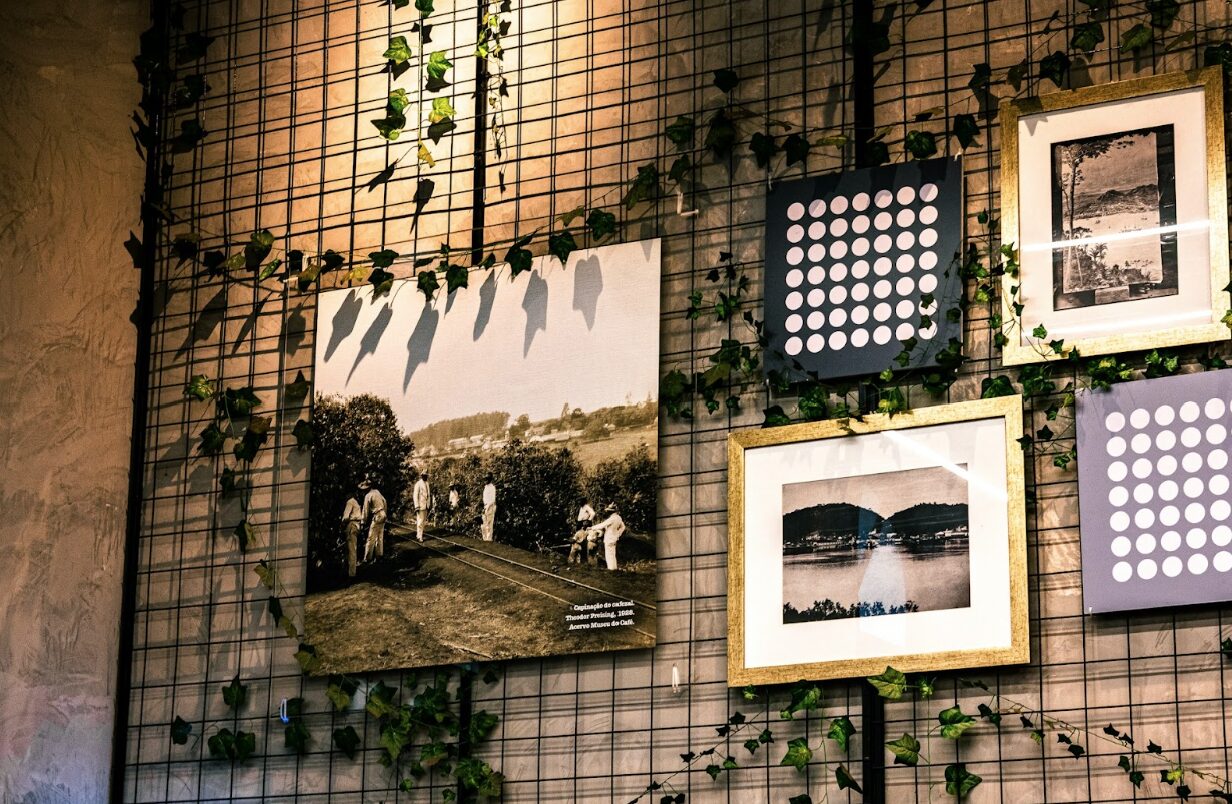
Gallery walls work because they can fill a large wall with 6 to 12 coordinated frames, creating a focal point as soon as you enter the room.
Instead of treating it as a one-time project, build it gradually.
A few ways to keep it cohesive:
- ⬥ Use a consistent frame style (all black, all wood, or all white)
- ⬥ Mix sizes, like 8x10s with 11x14s, to avoid a rigid layout
- ⬥ Add a few non-photo elements like typography or prints for balance
For example, start a hallway wall with three family photos. Over time, add travel images, candid shots, and kids’ artwork. This makes it easy to swap in new photos without redoing the entire wall.
Go Big With Statement Prints
If your walls feel empty, scaling up a single image can solve that faster than adding multiple small frames.
A large print, like a 24×36 or 30×40 canvas, can anchor a room. Place one above the sofa, behind a bed, or in a dining area to create a clear focal point.
This is most effective when:
- ⬥ The image has strong contrast (like black-and-white photography)
- ⬥ The subject is meaningful (a favorite place or moment)
- ⬥ The surrounding decor is minimal
One oversized image often has more impact than several smaller ones competing for attention.
Tell a Story With Photo Series
When a single image doesn’t capture the full story, a series can show progression over time.
Try grouping:
- ⬥ Photos from the same vacation
- ⬥ A child growing up year by year
- ⬥ Seasonal shots of your home or yard
Use a grid layout for a clean look, or stagger frames for something more relaxed. Stick to a single theme so the arrangement feels intentional instead of mismatched.
Use Unexpected Spaces
Most homeowners skip areas like kitchens and bathrooms, even though they offer easy opportunities for photo placement.
Try adding photos to:
- ⬥ Kitchen shelves or breakfast nooks
- ⬥ Bathroom ledges or small wall sections
- ⬥ Staircases for vertical arrangements
- ⬥ Entryways to set the tone immediately
These placements break up hard surfaces like tile, cabinets, and mirrors, making the space feel less utilitarian.
Mix Photos With Functional Decor
If you’re short on wall space, you can still display photos through everyday items.
For example:
- ⬥ Create a coffee table book using your own photos
- ⬥ Use acrylic blocks on desks or shelves
- ⬥ Design a custom calendar with family images
- ⬥ Clip photos onto a rotating display board
This is a good option if you like changing photos often without putting new holes in your walls.
Keep It Clean With Digital Frames
If most of your photos live on your phone, digital frames make them visible again.
Instead of choosing just a few images, you can rotate dozens, or even hundreds, throughout the day. Place them in living rooms, kitchens, or home offices where you’ll actually see them.
You can update the images weekly or monthly without replacing frames or rearranging anything.
Frame the Details, Not Just the Big Moments
It’s easy to focus on major events like weddings or vacations, but those aren’t the only photos worth displaying.
Everyday images often feel more relatable:
- ⬥ A quiet morning at home
- ⬥ A familiar street in your neighborhood
- ⬥ A candid, unplanned moment
These photos reflect what your life actually looks like, not just the highlights.
Stay Organized Behind the Scenes
As your photo collection grows, keeping track of everything becomes harder.
Using a tool like HomeZada, you can store digital images, track where you display printed photos, and keep records of frames or custom pieces you’ve purchased.
When you’re ready to rotate photos or update a space, everything is easy to find, so you’re not starting from scratch each time.
Final Thoughts
The difference between a cluttered photo display and one that feels intentional usually comes down to one habit: updating it.
When you rotate images regularly, organize them in one place, and add new moments over time, your decor evolves along with your life.
And that’s what makes it work. Your home doesn’t just look designed, it reflects where you’ve been and what matters most right now.
4 Tips for Protecting Artwork from Sunlight
How to Bring Your Personality to Life on the Walls of Your Home
How to Safely and Profitably Rent Your Home for Photo Shoots
