Ep 037 – What Every Homeowner Should Know About Water, Gas & Power Shutoffs and Safety

Summary

In this episode of the Be a Smarter Homeowner Podcast, hosts Elizabeth Dodson and John Bodrozic discuss essential knowledge every homeowner should have regarding their home’s utilities. They emphasize the importance of understanding how to manage water, electricity, and gas systems to prevent damage and ensure safety. The conversation covers practical tips on locating shutoff valves, the significance of sump pumps, and the necessity of documenting procedures for emergencies. The hosts aim to empower homeowners with the knowledge to protect their homes and minimize risks effectively.

Takeaways

Homeowners should know how to manage their utilities effectively.
Understanding where shutoff valves are can prevent significant damage.
Documenting utility shutoff procedures can enhance preparedness.
Sump pumps are crucial for homes with basements to prevent flooding.
Awareness of home systems contributes to overall safety.
Gas shutoff valves are essential for preventing neighborhood hazards.
Electricity management is key during repairs or emergencies.
Homeowners should regularly check and maintain their utility systems.
Knowledge of sewer cleanouts can prevent costly backups.
Proactive measures can save homeowners from extensive damage.

Titles

Mastering Home Utility Management
Essential Tips for Homeowners

Sound bites

“Be a Smarter Homeowner Podcast”
“How do I protect my home?”
“Awareness is the key to minimizing damage.”

Chapters

00:00 Understanding Home Utilities and Their Importance
03:05 Water Shutoff Valves: The First Line of Defense
05:59 Electricity: Managing Your Home’s Power Supply
11:58 Gas Safety: Knowing Your Shutoff Points
17:47 Sump Pumps and Sewer Lines: Preventing Water Damage
30:00 Final Thoughts: Awareness and Preparedness for Homeowners


Ep 036 – Homeowner Survival Guide: A Major Water Leak and the Insurance Claims Process

Summary

In this episode, Elizabeth Dodson and John Bodrozic share their harrowing experience with a water damage emergency in their home. They recount the chaotic moments when they were awakened by screaming smoke detectors, leading to the discovery of water pouring from their light fixtures. The couple discusses the immediate actions they took, including shutting off the water, documenting the damage, and navigating the insurance claims process. They emphasize the importance of preparation, teamwork, and understanding the intricacies of home insurance and repair processes. Throughout the conversation, they provide valuable tips for homeowners on how to handle similar emergencies effectively.

Takeaways

Always know where your water shutoff valve is located.
Document all damage with photos and videos immediately.
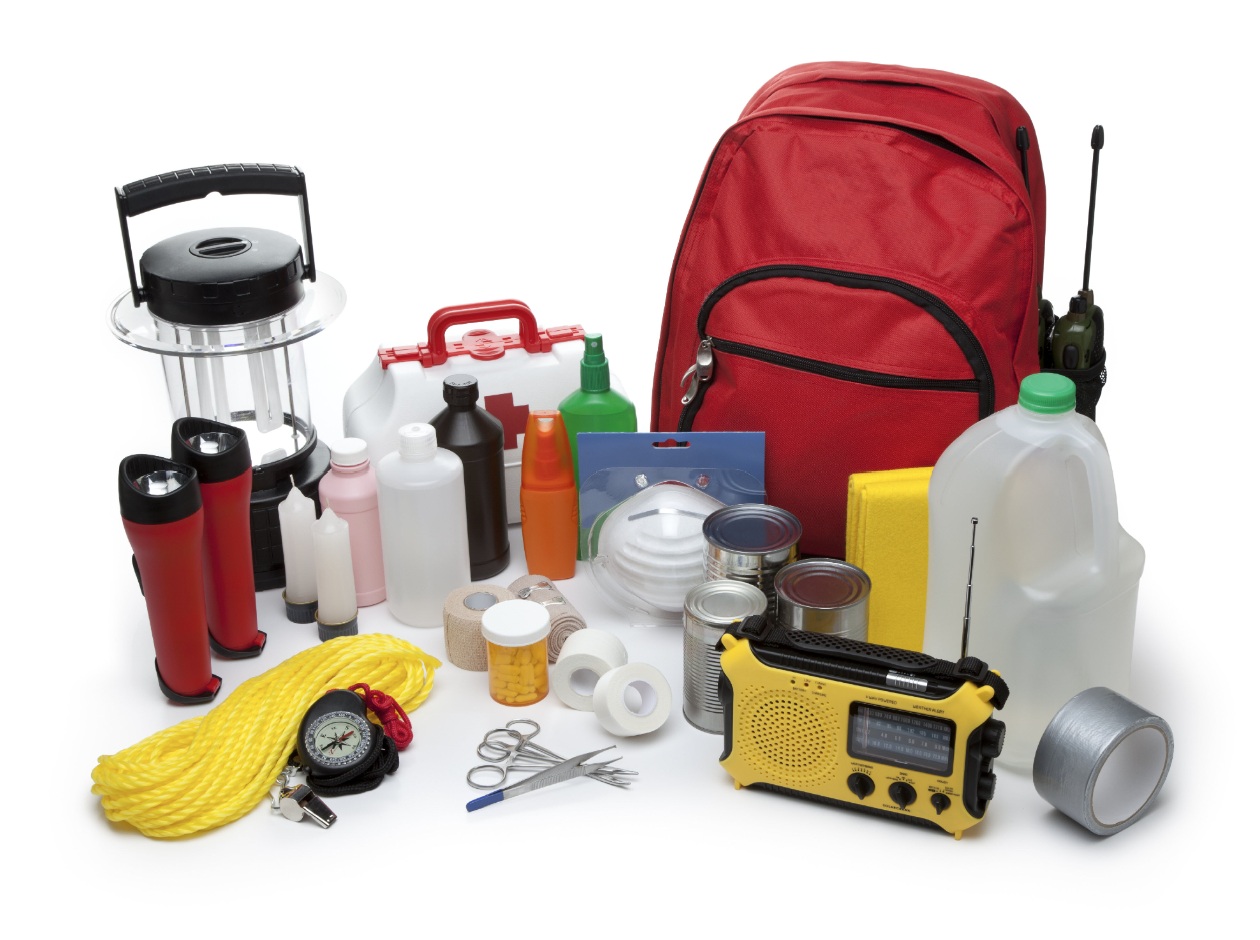
Have a go-bag ready for emergencies.
Teamwork is essential during a crisis; divide tasks effectively.
Understand your insurance policy and what it covers.
Water remediation is crucial to prevent further damage.
Be prepared for the repair process to take time.
Negotiate with contractors to ensure all needs are met.
Stay organized and keep communication open with all parties involved.
Invest in smart home technology to prevent future leaks.

Titles

Surviving a Water Damage Crisis
Emergency Preparedness for Homeowners

Sound bites

“We woke up to this screaming alarm.”
“We had a huge water leak issue.”
“Teamwork makes the dream work.”

Chapters

00:00 The Awakening: A Morning of Chaos
13:01 The Response: Quick Thinking and Action
24:01 The Aftermath: Navigating Insurance and Remediation
28:36 Understanding Insurance Responsibilities
31:01 Navigating Temporary Housing Solutions
34:02 The Plumbing Dilemma
37:31 Identifying Defective Piping
40:42 Investing in Smart Home Solutions
45:32 Managing the Claims Process
51:35 Contracting and Negotiation Strategies
56:57 Final Thoughts on Home Repairs


Ep 027 – Severe Weather Alerts – How Homeowner AI Keeps You Prepared

Summary:
In this episode of Be a Smarter Homeowner, hosts Beth Dodson and John Bodrozic explore how AI technology is transforming the way homeowners prepare for severe weather events. They discuss how HomeZada now uses AI to deliver real-time alerts based on your exact property location — not just your city or zip code — helping you act faster when dangerous weather is on the way.

Beth and John walk through how the system pulls data from the National Weather Service, translates it into specific, actionable recommendations, and even helps homeowners proactively assess risks like floods, wildfires, hurricanes, hailstorms, and high winds before disaster strikes. They explain how the AI goes beyond just warnings — offering preparation advice, emergency kit checklists, and even insurance insights tailored to your region.

Whether you’re new to an area, unfamiliar with local weather patterns, or just busy with everyday life, this episode shows why early preparation is critical — and how smarter tools can help you protect your home, your property, and your family. If you’ve ever wondered what more you could be doing to be ready for the unexpected, this episode is packed with real solutions.

Keywords

HomeZada, AI, severe weather, homeowner tips, weather alerts, home safety, property protection, emergency preparedness, National Weather Service, homeowner education, emergency preparedness, AI weather alerts, home insurance, disaster risk assessment, homeowner education

Takeaways

  • AI integration enhances homeowner awareness and preparedness.
  • Severe weather alerts are crucial for protecting property and family.
  • Different regions experience different types of severe weather.
  • Homeowners should understand the specific risks in their area.
  • Proactive measures can mitigate damage from severe weather.
  • The National Weather Service categorizes weather events by severity.
  • HomeZada provides personalized weather alerts based on location.
  • Real-time alerts can guide immediate actions during severe weather.
  • Preparation for severe weather should be ongoing, not just reactive.
  • Evacuation is the top priority during severe weather emergencies.
  • Create a three-day supply of water for each person.
  • AI can provide personalized recommendations based on location.
  • Timely alerts can help homeowners take quick action.
  • Stringing together technologies enhances preparedness.
  • Homeowners need to understand their insurance coverage.
  • Proactive measures can minimize disaster risks.
  • AI tools can assess disaster risks for specific homes.
  • Homeowners should regularly review their insurance policies.
  • Understanding local weather patterns is crucial for homeowners.
  • AI can provide more data than traditional insurance providers.

Sound Bites

  • “The home is a complex entity.”
  • “Find a way to get your family safe.”
  • “Getting ahead of it is important.”
  • “Do you own an emergency generator?”
  • “How would the claims process work?”
  • “Prepare for financial resiliency.”

Chapters

00:40 Introduction to Home Disasters

01:51 Understanding Different Types of Disasters

06:55 Evacuation Planning and Safety

10:46 Protecting Your Property

15:51 Insurance and Home Inventory

21:55 Living Without Utilities

26:06 Final Thoughts on Preparedness