
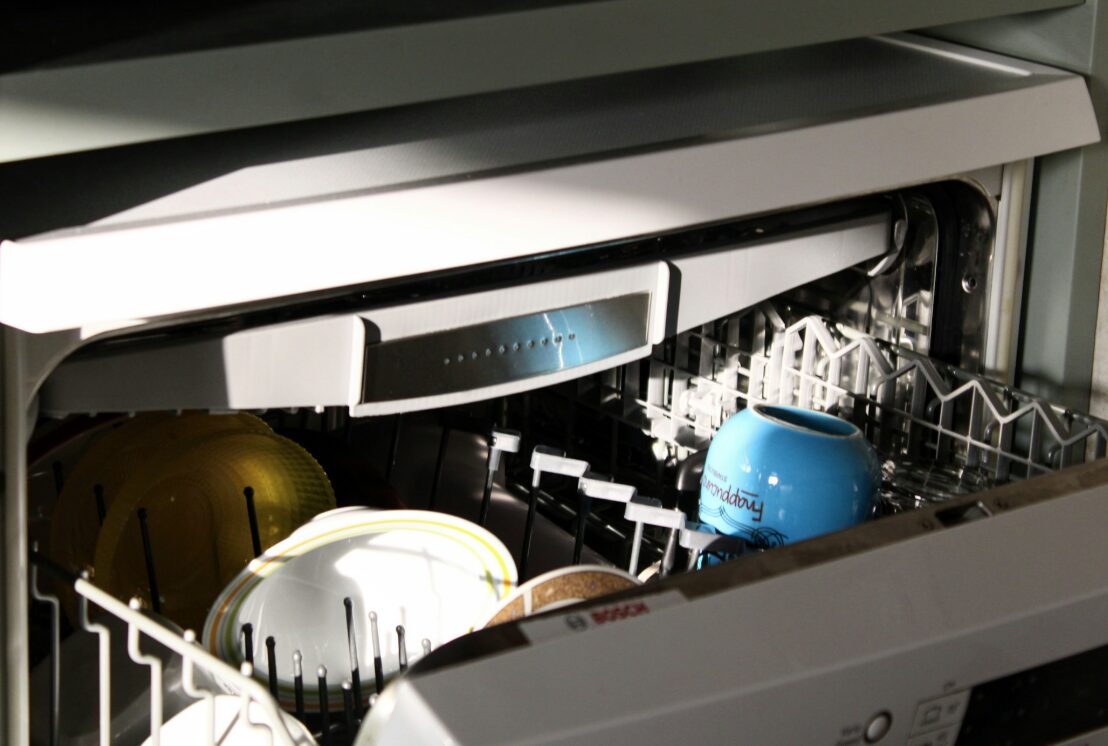
Most homeowners focus on whatever needs attention right now.
Maybe the dishwasher has started making unusual noises, the gutters need cleaning, or a room could use fresh paint. But the truth is, many expensive home repairs develop gradually and show warning signs months or even years beforehand.
Rising energy bills, recurring appliance repairs, missing shingles, and inconsistent water temperatures often signal that larger expenses are approaching.
The challenge isn’t that these costs appear unexpectedly. The challenge is that many homeowners don’t start tracking them until the issue becomes urgent.
Looking five years ahead gives homeowners time to anticipate major expenses, spread costs over time, and avoid making rushed decisions during an emergency.
The next step is identifying where future costs are most likely to appear so you can start planning before repair timelines become urgent.
Your HVAC System May Need More Attention
Heating and cooling systems run through thousands of operating cycles every year as they regulate indoor temperatures through changing seasons.
HVAC system lifespans can vary. For example:
- ⬥ Furnaces: 15–20 years
- ⬥ Air conditioners: 10–15 years
- ⬥ Heat pumps: 10–15 years
Even if your system is not approaching replacement age, wear can show up through symptoms such as rooms that stay warmer than others, longer cooling cycles, or energy bills that steadily increase.
Watch for:
- ⬥ Higher energy bills
- ⬥ Uneven temperatures throughout the home
- ⬥ Frequent repairs
- ⬥ Unusual noises
- ⬥ Reduced airflow
If your system is already more than 10 years old, start planning for replacement costs before a breakdown happens during peak heating or cooling season.
Your Water Heater Could Be Approaching Replacement
Most homeowners rarely think about their water heater until showers lose hot water or leaks appear around the unit.
Most water heaters last within these general ranges:
- ⬥ Traditional tank water heaters: 8–12 years
- ⬥ Tankless water heaters: 15–20 years
Signs that replacement may be approaching include:
- ⬥ Inconsistent hot water
- ⬥ Rust-colored water
- ⬥ Strange noises
- ⬥ Leaks around the unit
Replacing a water heater on your own timeline is usually less stressful than scrambling to replace one after a failure.
Water systems are not the only components that age quietly. Roofing materials also continue deteriorating long before visible leaks appear.
Roofing Materials Continue Aging Even When They Look Fine
Homeowners often think a roof either works or fails, but roofing materials slowly wear down over time.
General lifespan estimates:
- ⬥ Asphalt shingles: 20–30 years
- ⬥ Metal roofing: 40–70 years
- ⬥ Wood shingles: 20–30 years
Even if your roof appears fine from the ground, issues can develop gradually:
- ⬥ Missing shingles
- ⬥ Damaged flashing
- ⬥ Granule loss
- ⬥ Moisture intrusion
Planning ahead can help you avoid suddenly paying several thousand dollars for a roof replacement after discovering damage too late.
While roofing replacement often gets attention because of cost, everyday appliances can create a similar budgeting challenge.
Appliances May Start Showing Their Age
Homeowners often discover that appliances purchased around the same time begin reaching the end of their useful life within a similar window.
Average lifespan estimates for appliances:
- ⬥ Refrigerator: 10–15 years
- ⬥ Dishwasher: 9–12 years
- ⬥ Washing machine: 10–14 years
- ⬥ Dryer: 10–13 years
As appliances age, homeowners may notice:
- ⬥ Higher utility costs
- ⬥ Frequent repairs
- ⬥ Reduced performance
- ⬥ New maintenance requirements
Keeping purchase dates, warranty information, and repair records in one place can simplify replacement planning. Homeowners using HomeZada can quickly view the age of major systems and appliances without digging through paperwork or searching old emails.
Exterior Areas May Need Preventive Maintenance
The outside of your home faces weather exposure every day through moisture, temperature changes, sunlight, and seasonal conditions.
Areas that may need attention include:
- ⬥ Exterior paint
- ⬥ Siding
- ⬥ Decks
- ⬥ Gutters
- ⬥ Caulking and seals around windows and doors
Issues such as peeling paint, cracked caulk, or loose deck boards often feel minor enough to postpone. But exposure to weather can turn small maintenance tasks into more expensive repairs.
For example, damaged caulking around windows may allow moisture intrusion and air leaks, while neglected deck boards can eventually require structural repairs.
Plumbing Fixtures and Water Components May Need Upgrades
Not every plumbing issue involves burst pipes or emergency repairs.
For example:
- ⬥ Faucets and fixtures
- ⬥ Toilet components
- ⬥ Shut-off valves
- ⬥ Garbage disposals
- ⬥ Supply lines
Older plumbing systems may also require inspections to identify slow leaks or worn components before larger damage develops.
Safety Devices Often Need Updating Too
Many homeowners install safety equipment and rarely think about it again.
Over time, however, these devices also need attention:
- ⬥ Smoke detectors
- ⬥ Carbon monoxide detectors
- ⬥ Fire extinguishers
- ⬥ Security system equipment
Some smoke detectors require replacement approximately every 10 years, even if they still appear to function properly.
Although these items cost less than replacing a roof or HVAC system, tracking them contributes to a more complete picture of future home expenses.
Why Tracking Home Lifespans Matters
Many homeowners think home expenses arrive as surprises, but most houses follow predictable timelines. Roofs age, appliances wear down, and systems slowly approach replacement years.
The homeowners who feel prepared usually are not better at predicting the future. They simply pay attention to the information their homes have been providing all along.
The First Smarter Way to Forecast Major Home Replacement Costs
The Mid-Year Home Checkup: 10 Things to Review Before Summer Ends
The Essential New Construction Home Checklist for First-Time Buyers
