
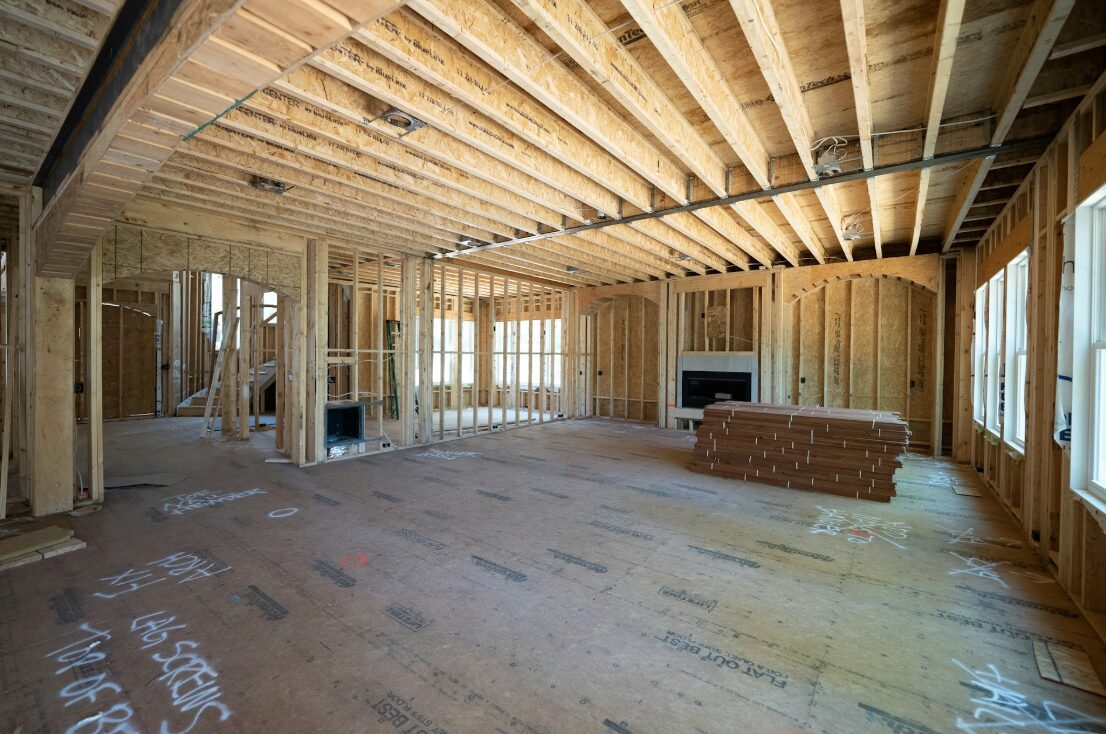
Buying a newly built home is an exciting milestone, especially for first-time buyers. New construction homes offer modern layouts, energy-efficient features, updated technology, and the appeal of being the first person to live in the space.
For many buyers, the idea of moving into a home where everything is brand new can be incredibly attractive.
However, purchasing a new construction home involves more than selecting finishes and waiting for move-in day. From understanding builder warranties and documenting upgrades to organizing important records and planning future maintenance, there are several steps homeowners can take to protect their investment from the very beginning.
This checklist can help first-time buyers stay organized throughout the process and establish good homeownership habits that will continue long after closing day.
Before Signing the Purchase Agreement
The decisions made before signing a contract can have a lasting impact on both your budget and your homeownership experience.
Research the Builder
Not all builders are the same. Construction quality, warranty coverage, customer service, and communication can vary significantly from one company to another.
Take time to read reviews, visit completed communities, and speak with current homeowners whenever possible. Learning about the builder’s reputation before signing can help set realistic expectations and reduce surprises later.
Understand What’s Included
Many model homes showcase premium upgrades that aren’t included in the base price. What appears in the model may not reflect the home you’ll receive without additional costs.
Request a detailed breakdown of:
- ⬥ Standard features
- ⬥ Optional upgrades
- ⬥ Upgrade pricing
- ⬥ Lot premiums
- ⬥ Estimated closing costs
- ⬥ Homeowner association fees
Understanding these details upfront can help you avoid budget overruns during the design and construction process.
Compare Financing Options
Builders often offer incentives through preferred lenders, such as closing cost assistance or interest rate reductions. While these incentives may be attractive, it’s still wise to compare offers from multiple lenders to ensure you’re getting the best financing package available.
Review Warranty Coverage Carefully
One of the biggest advantages of a new construction home is warranty protection. However, not all warranties cover the same items or timeframes.
Before signing, review:
- ⬥ Builder workmanship warranties
- ⬥ Structural warranties
- ⬥ Appliance warranties
- ⬥ Manufacturer warranties for major systems
Understanding what is covered and what is not can help prevent misunderstandings after you move in.
During the Construction Process
Staying involved throughout construction can help ensure the finished home meets your expectations.
Document Your Selections and Upgrades
As you make design decisions, keep detailed records of everything selected for the home.
This may include:
- ⬥ Paint colors
- ⬥ Flooring materials
- ⬥ Cabinet finishes
- ⬥ Countertops
- ⬥ Appliances
- ⬥ Lighting fixtures
- ⬥ Plumbing fixtures
Many homeowners are surprised by how often they need this information later when making repairs, ordering replacement materials, or planning future renovations.
Keeping these details organized in a digital home management system such as HomeZada can make them easier to locate years down the road when those records are needed.
Save Contracts and Change Orders
Construction projects often involve adjustments along the way. Any changes to the original agreement should be documented and saved.
Important records may include:
- ⬥ Purchase agreements
- ⬥ Builder contracts
- ⬥ Change orders
- ⬥ Upgrade invoices
- ⬥ Construction schedules
- ⬥ Design center selections
Having these documents readily available can be helpful if questions arise about what was included in the original purchase.
Consider Independent Inspections
Although the home is brand new, inspections can still uncover issues that should be addressed before closing.
Many buyers choose to schedule inspections during key construction phases, such as:
- ⬥ Foundation completion
- ⬥ Pre-drywall installation
- ⬥ Final walkthrough
An independent inspector provides an extra layer of protection and may identify concerns before they become larger problems.
Keep Track of Key Contacts
Throughout construction, you’ll likely interact with multiple professionals.
Maintain a list that includes:
- ⬥ Builder representatives
- ⬥ Site supervisors
- ⬥ Contractors
- ⬥ Warranty service contacts
- ⬥ Utility companies
Organizing this information in one place can save valuable time if issues arise after move-in.
Before Closing
As the home nears completion, it’s important to verify that everything has been completed correctly and according to the contract.
Complete a Detailed Final Walkthrough
The final walkthrough allows buyers to identify any items that need correction before closing.
Take your time and inspect:
- ⬥ Walls and paint finishes
- ⬥ Flooring
- ⬥ Cabinets and countertops
- ⬥ Doors and windows
- ⬥ Plumbing fixtures
- ⬥ Electrical outlets and switches
- ⬥ Exterior finishes
Document any concerns and provide the builder with a written punch list.
Test Major Systems
Before accepting the home, verify that major systems are functioning properly.
Check:
- ⬥ Heating and cooling systems
- ⬥ Appliances
- ⬥ Plumbing fixtures
- ⬥ Electrical systems
- ⬥ Garage doors
- ⬥ Smoke and carbon monoxide detectors
Addressing issues before closing is often easier than attempting to resolve them afterward.
Collect Important Documentation
New homes generate a significant amount of paperwork. Before closing, request copies of:
- ⬥ Appliance manuals
- ⬥ Warranty documents
- ⬥ Paint specifications
- ⬥ Flooring information
- ⬥ Roofing details
- ⬥ HVAC documentation
- ⬥ Contractor information
These documents can be difficult to locate later if they aren’t organized immediately.
Many homeowners find it helpful to store these records digitally so they remain accessible whenever maintenance or warranty issues arise.
After You Move In
The closing process may be complete, but successful homeownership is just beginning.
Organize Your Home Records
One of the best habits new homeowners can develop is maintaining organized records from the start.
Important documents include:
- ⬥ Closing paperwork
- ⬥ Insurance policies
- ⬥ Warranty information
- ⬥ Appliance manuals
- ⬥ Contractor contacts
- ⬥ Upgrade receipts
- ⬥ Inspection reports
Instead of storing documents in multiple folders, drawers, or email accounts, consider creating a centralized system where everything can be accessed quickly when needed.
Create a Home Maintenance Plan
Even though everything is new, routine maintenance is still necessary.
Regular tasks may include:
- ⬥ Replacing HVAC filters
- ⬥ Testing smoke detectors
- ⬥ Cleaning gutters
- ⬥ Inspecting exterior caulking
- ⬥ Servicing heating and cooling systems
- ⬥ Checking irrigation systems
Establishing a maintenance schedule early can help preserve warranties and extend the life of your home’s systems and equipment.
Homeowners who use digital maintenance tracking tools can also receive reminders for recurring tasks, helping ensure important maintenance doesn’t get overlooked.
Track Warranty Deadlines
Builder warranties often include specific reporting periods for workmanship issues and other concerns.
Keep track of:
- ⬥ One-year warranty inspections
- ⬥ Appliance warranty expiration dates
- ⬥ Service requests
- ⬥ Completed repairs
Having organized maintenance and repair records can make warranty claims easier and provide documentation if questions arise.
Build a Home Inventory
As you settle into your new home, you’ll likely begin purchasing furniture, electronics, appliances, and other valuables.
Creating a home inventory can help:
- ⬥ Document belongings for insurance purposes
- ⬥ Track purchase information
- ⬥ Store receipts and warranties
- ⬥ Simplify claims after a loss
Many homeowners don’t think about inventory management until they need it. Starting early can save considerable time and stress later.
A new construction home offers many benefits, but it also comes with responsibilities such as managing warranties and maintenance schedules, organizing documents, and tracking improvements. Staying organized from the beginning can help homeowners avoid frustration and protect their investment.
The good news is that establishing these habits early is often much easier than trying to reconstruct records years later.
By creating a system for storing documents, tracking maintenance, and managing home information from day one, first-time buyers can spend less time searching for paperwork and more time enjoying their new home.
Most Important Things to Do When Moving into a New House
Building from Scratch: How to Work Smoothly With Your Contractor (and Actually Enjoy the Process)
