
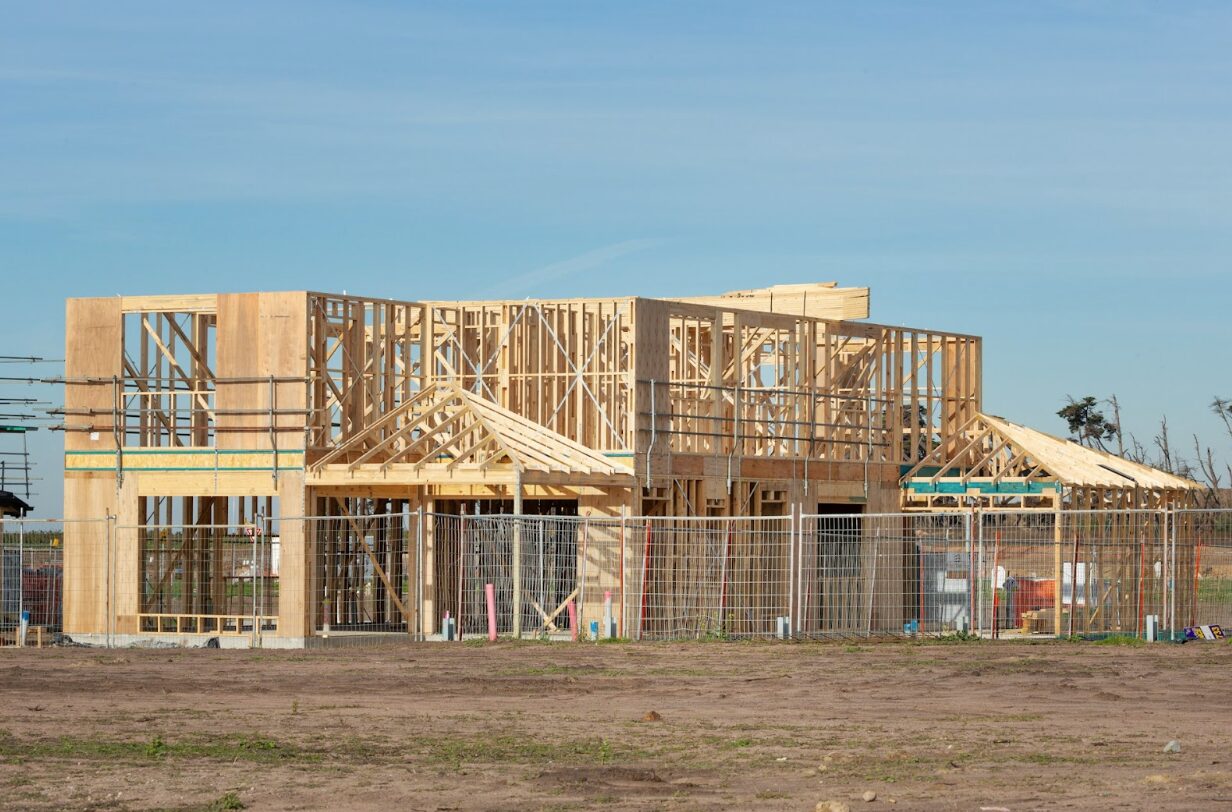
There’s something exciting about building a home from the ground up. Every finish, every fixture, every square foot reflects your vision.
But here’s the part most homeowners underestimate: your relationship with your contractor can be the difference between a project that stays on schedule and one that drifts weeks behind with costly change orders.
What most homeowners don’t expect is how quickly small miscommunications turn into delays. Even the best plans can lead to missed deadlines, duplicate orders, and budget overruns without clear communication and organization. With a few structured habits in place, you can prevent most of those issues before they start.
Let’s walk through how to make that happen.
Start With Alignment, Not Assumptions
Before construction begins, define expectations; don’t assume them.
This goes beyond reviewing blueprints. You and your contractor should clearly agree on:
- ⬥ How you’ll communicate (text, email, or scheduled calls)
- ⬥ How quickly decisions need to be made
- ⬥ Where you have flexibility in the budget
- ⬥ How you and your contractor will handle changes
Here’s where projects often go sideways: a homeowner assumes decisions can be made as the build progresses, while the contractor schedules work based on finalized selections. That gap can stall progress for days or even weeks.
A 30-minute kickoff conversation can prevent that.
Put Everything in Writing (Yes, Everything)
Verbal agreements don’t hold up well once a project is moving fast.
If you approve a material, change a finish, or adjust a timeline, document it. Without that record, it becomes your word against someone else’s when questions come up later.
For example, imagine agreeing to upgrade flooring during a quick walkthrough. Weeks later, the invoice reflects a higher price, but there’s no written record of what was approved. That’s how disputes start.
Keep track of:
- ⬥ Contracts and change orders
- ⬥ Material selections
- ⬥ Budget updates
- ⬥ Project timelines
Using a centralized tool like HomeZada makes this much easier. Instead of digging through emails, you have one place to verify every decision.
Respect the Workflow
It’s your home, but it’s your contractor’s sequence.
Construction follows a specific order, and changing that order creates problems. Ordering fixtures too early, requesting changes mid-phase, or skipping ahead in decisions can delay subcontractors and increase labor costs.
Instead:
- ⬥ Ask what decisions are coming up next
- ⬥ Confirm timelines before making changes
- ⬥ Follow the contractor’s build sequence to avoid rework
Think of it like a chain reaction; when one step shifts, everything behind it has to adjust.
Communicate Early, Not Just When Something Goes Wrong
Waiting until there’s a problem to speak up is one of the fastest ways to lose control of a project.
Consistent communication keeps things on track:
- ⬥ Schedule quick weekly check-ins
- ⬥ Confirm decisions in writing
- ⬥ Ask questions before making assumptions
Even a simple message like, “Just confirming we’re moving forward with option B for the backsplash,” can prevent ordering mistakes that cost time and money to fix.
Be Decisive (But Not Reactive)
You’ll make dozens, sometimes hundreds, of decisions during a build.
The key is to stay ahead of them without rushing. Last-minute changes can push back subcontractor schedules, trigger restocking fees, and add labor costs for work that has to be redone.
A better approach:
- ⬥ Review upcoming decisions weekly
- ⬥ Finalize multiple selections at once
- ⬥ Avoid changing direction after materials are ordered
This keeps the project moving forward instead of constantly resetting it.
Understand the Budget Reality
No matter how detailed your estimate is, surprises will happen.
Lumber prices can shift mid-build, and issues like outdated wiring or poor soil conditions can surface after construction begins. That’s why a rigid budget often leads to stress.
Instead, plan for flexibility:
- ⬥ Set aside a 10–20% contingency fund
- ⬥ Identify where you’re willing to upgrade
- ⬥ Know where you can scale back if needed
Approaching the budget this way reduces disputes over costs and prevents last-minute financial surprises.
Use a Central Hub to Stay Organized
Disorganization is one of the biggest hidden costs in a home build.
When decisions, receipts, and updates are scattered across emails and notes, things get missed, and mistakes follow.
A centralized system allows you to:
- ⬥ Track progress in real time
- ⬥ Store receipts and warranties
- ⬥ Monitor your budget as it evolves
- ⬥ Reference past decisions instantly
Tools like HomeZada give both you and your contractor visibility, which keeps everyone aligned.
Build the Relationship, Not Just the House
At its core, this is a working partnership.
Contractors respond better to homeowners who communicate clearly, make timely decisions, and stay solution-focused when issues come up.
That doesn’t mean avoiding hard conversations; it means handling them professionally:
- ⬥ Address problems early
- ⬥ Focus on solutions, not blame
- ⬥ Acknowledge when things are going well
Every project hits a few bumps. How you handle them determines whether they become setbacks or just part of the process.
Final Thoughts
The homeowners who have the smoothest builds aren’t the ones with the biggest budgets; they’re the ones who stay organized, communicate clearly, and make decisions before they’re forced to.
Do that, and you won’t just finish your home.
You’ll finish it without the stress, delays, and second-guessing that derail so many builds.
7 Things to Consider When Building a Farm House
