
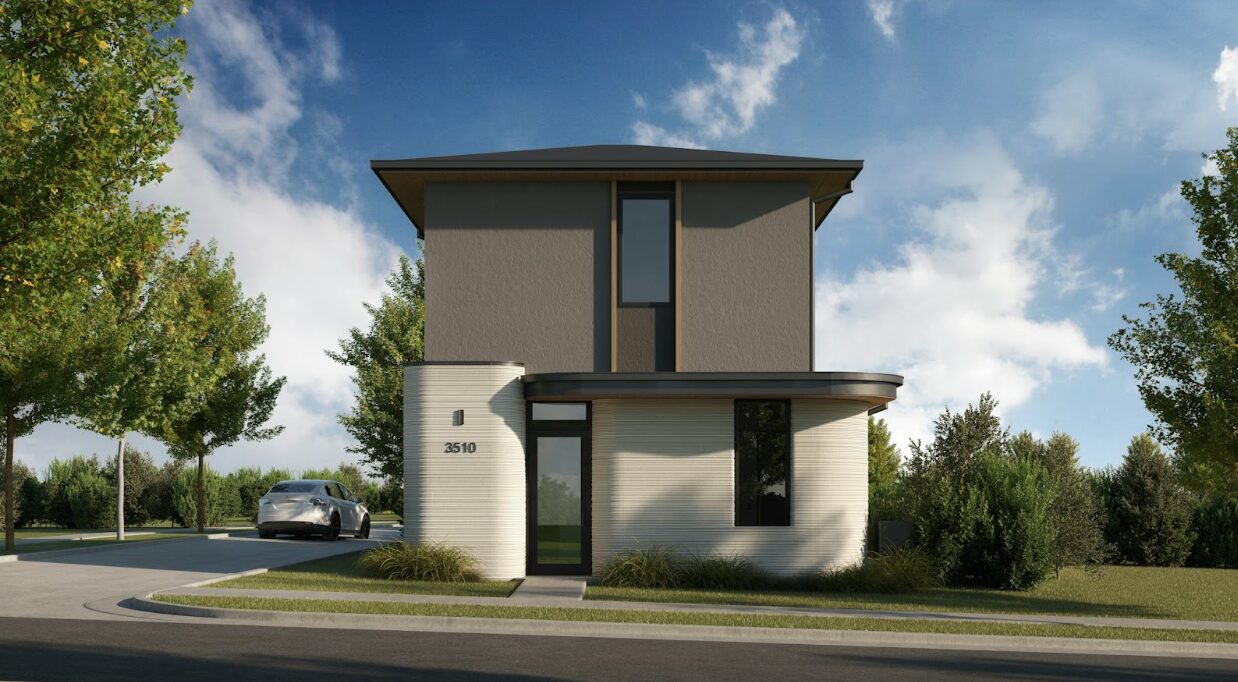
For decades, the process of building a home hasn’t changed all that much. Contractors still frame walls, pour foundations, and assemble structures piece by piece using methods that have been around for generations.
But a new wave of construction technology is starting to challenge that model….3D-printed homes.
While the concept might sound futuristic, companies like ICON are already building homes using massive robotic printers and specialized concrete materials. And as these technologies continue to evolve, they could reshape how homes are built and how quickly new housing communities can come online.
How 3D-Printed Homes Are Built
A 3D-printed home is built using a large automated printer that deposits layers of a concrete-like material according to a digital design.
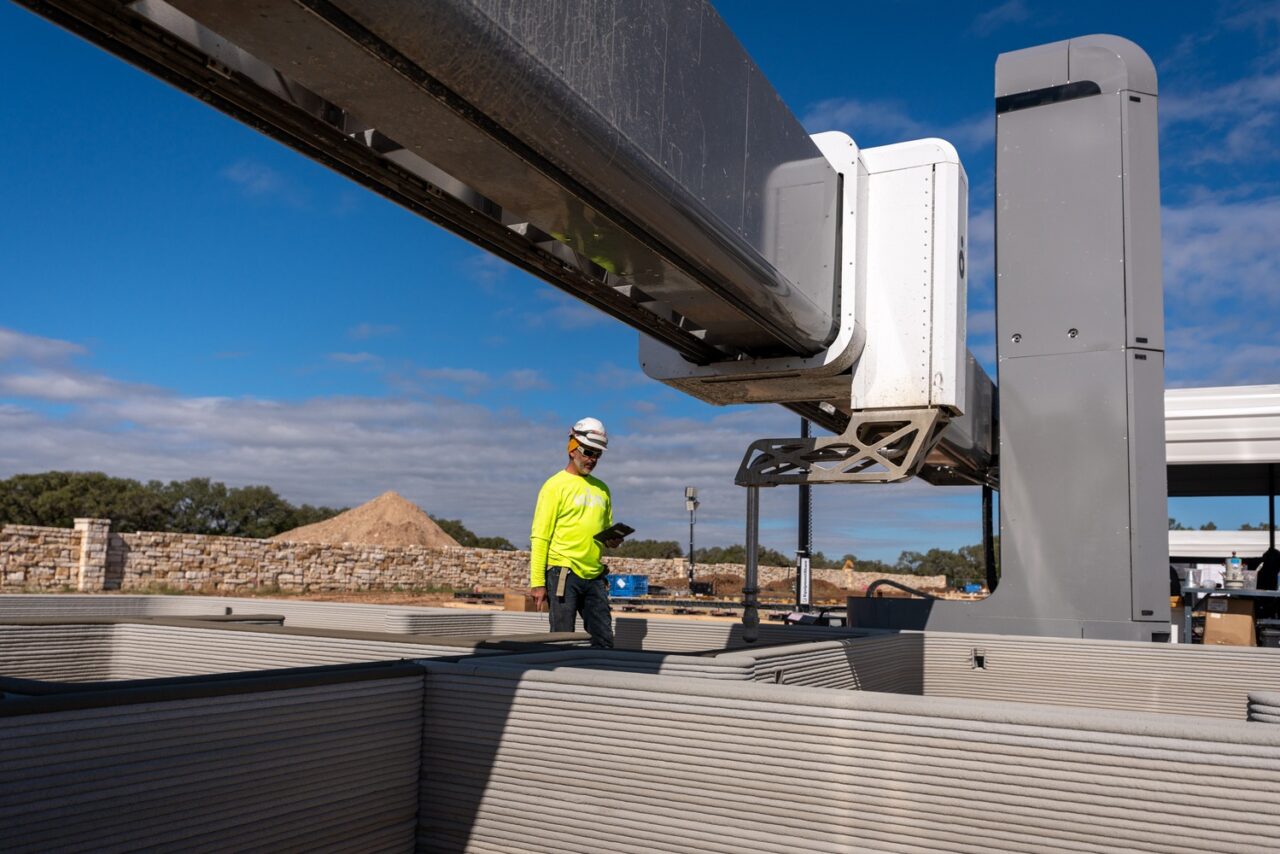
Source: 3D Print.com
Instead of traditional framing with lumber, the printer moves along a programmed path, creating the home’s walls layer by layer. The result often resembles a smooth, sculpted concrete structure with distinctive curved lines.
Once the structural walls are printed, contractors complete the rest of the home using familiar building components, including:
- ⬥Roofing systems
- ⬥Windows and doors
- ⬥Electrical wiring and plumbing
- ⬥HVAC systems
- ⬥Interior finishes like flooring and cabinets
In other words, the printing technology handles the structural shell, while many of the finishing elements remain similar to those used in traditional construction.
Why Builders Are Paying Attention
One of the biggest reasons builders are exploring 3D printing is speed.
Traditional construction can take months to complete a home’s structure. In contrast, some 3D printing systems can produce the walls of a house in a matter of days.
Faster construction timelines can help address housing shortages, one of the biggest challenges facing many communities today.
If homes can be built more quickly and efficiently, developers may be able to bring new housing to market faster.
Potential Cost Benefits
Another potential advantage is reduced labor requirements.
Construction labor shortages have been a persistent challenge for the homebuilding industry. Because 3D printing automates part of the building process, fewer workers may be needed to construct the structural shell of a home.
That doesn’t eliminate labor; skilled trades are still required for plumbing, electrical work, roofing, and finishing, but it could reduce one of the most time-consuming stages of the build.
Over time, that efficiency could help lower construction costs, which may eventually translate into more affordable homes.
Strength and Durability
3D-printed homes are typically built using specialized concrete mixtures, which can offer several potential durability benefits.
Compared to traditional wood framing, concrete structures may provide:
- ⬥Greater resistance to fire
- ⬥Increased durability in severe weather
- ⬥Reduced vulnerability to pests such as termites
- ⬥Lower long-term structural maintenance needs
For homeowners, those factors could translate into a longer-lasting structure and potentially fewer structural repairs over time.
A Different Look for Home Design
3D printing also introduces new design possibilities.
Because the printer can create curved shapes and unique geometries more easily than traditional construction methods, some 3D-printed homes feature distinctive architectural details that would otherwise be expensive to build.
You may see:
- ⬥Rounded walls
- ⬥Integrated shelving or built-in features
- ⬥Creative exterior textures
- ⬥More flexible floor plan layouts
As the technology develops, architects may find even more ways to use digital design tools to create homes that are both functional and visually unique.
What Homeowners Should Keep in Mind
While 3D-printed housing is gaining attention, it’s still an emerging technology. Financing, building codes, insurance policies, and long-term maintenance standards are continuing to evolve as more homes are built using these methods.
For homeowners who purchase or build a home using innovative construction methods, documentation becomes especially important.
Keeping records of construction materials, warranties, appliance installations, and maintenance history can help protect your investment over time. Digital platforms like HomeZada make it easier to track this information in one place, something that can be valuable when filing insurance claims, planning maintenance, or preparing a home for resale.
3D-printed homes may not replace traditional construction overnight. But as companies continue developing scalable building platforms and communities begin experimenting with these homes, the technology could play an important role in the future of housing.
For homeowners, the takeaway is simple: innovation in home construction is growing, and the homes of tomorrow may look and be built a little differently than the ones we know today.
6 Tips for Building a Home That Can Resist Any Weather
How To Transform Steel Buildings Into Your Dream Home
The Latest and Greatest Features to Consider When Building a New Home
