
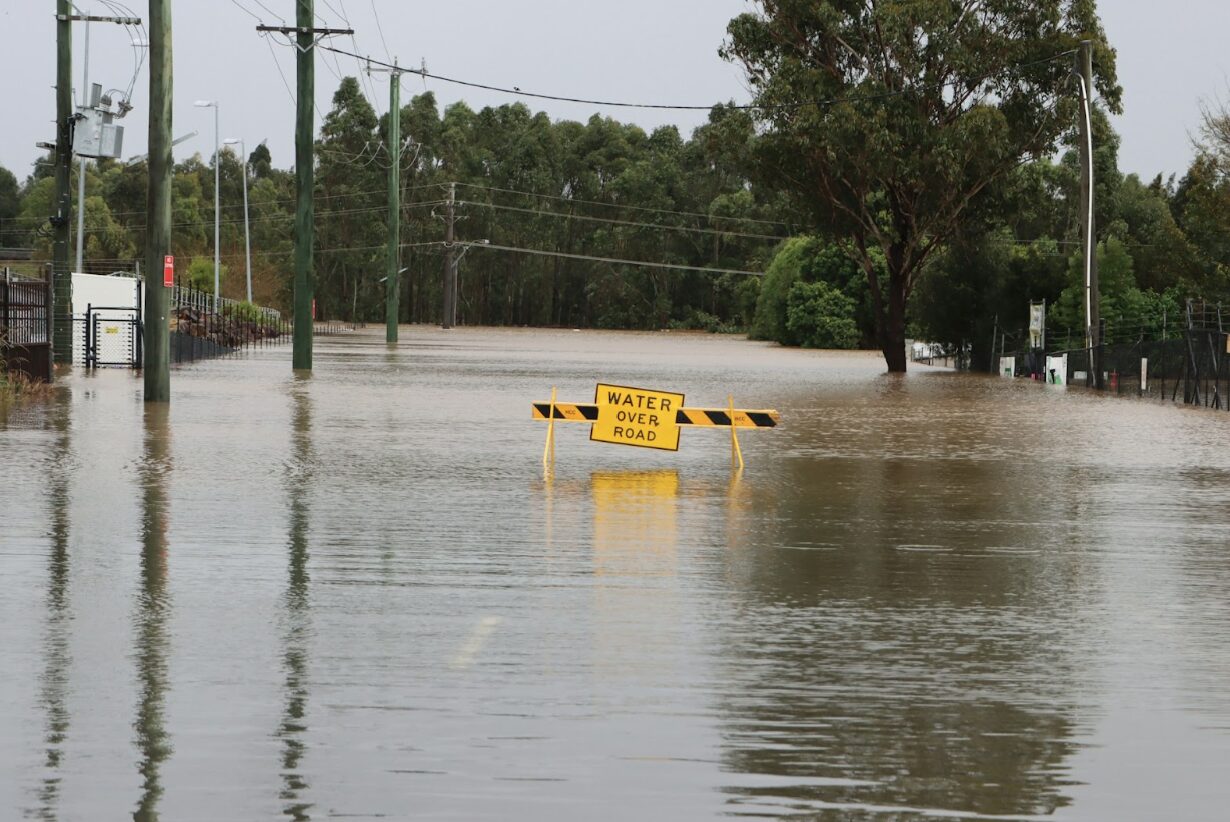
Spring brings longer days, warmer weather, and the sense that winter is finally loosening its grip. But in many regions, it also brings something less welcome: heavy rains that can quickly lead to flash flooding.
If you live in a flood-prone area, you’re keenly aware that spring storms can turn into a costly and stressful experience within hours. And in the event your home is flooded, the recovery process often begins with an insurance claim. Unfortunately, that’s where you could quickly run into a surprising problem: proving to your claims adjuster what you owned before the flood happened.
That’s why, especially if you don’t live in a flood-prone area, creating a detailed home inventory is one of the most important steps you can take to protect yourself.
Why Documentation Matters After a Flood
When you file a flood insurance claim, your insurer will typically ask for documentation of the items that were damaged or destroyed. This can include:
- ⬥Furniture
- ⬥Appliances
- ⬥Electronics
- ⬥Clothing
- ⬥Tools and equipment
- ⬥Household goods and décor
In many cases, insurance adjusters will ask for information such as:
- ⬥The item description
- ⬥The approximate purchase date
- ⬥The estimated value or purchase price
- ⬥Receipts or photos when available
Without documentation, it can be hard to prove that an item existed, let alone estimate its value. After a flood, when belongings are damaged or gone entirely, trying to remember everything from memory can be nearly impossible.
The Challenge of Recreating an Inventory After the Fact
Imagine trying to list everything inside your home from memory after a major flood. Most people start with obvious items like couches, televisions, and appliances.
But what about:
- ⬥Kitchen gadgets
- ⬥Tools in the garage
- ⬥Holiday decorations
- ⬥Board games and hobby supplies
- ⬥Linens, bedding, and small electronics
These smaller items may not seem significant individually, but collectively they can represent thousands of dollars in value.
Without documentation, you’ll likely underestimate what you lost. That can mean leaving money on the table during the claims process.
What Insurers Typically Expect
Insurance companies aren’t trying to make the process difficult; they simply need a reasonable way to verify losses.
In many cases, they expect policyholders to provide:
- ⬥A detailed list of damaged belongings
- ⬥Photos or video documentation, if available
- ⬥Proof of purchase, such as receipts or order confirmations
- ⬥Model numbers or serial numbers for electronics and appliances
The more information you can provide, the easier it is for an adjuster to validate your claim and determine reimbursement.
That’s where preparation makes a big difference.
How a Home Inventory Simplifies the Claims Process
A home inventory is essentially a detailed list of the items in your home, along with supporting information like photos, values, and purchase dates.
Instead of scrambling to reconstruct everything after a flood, homeowners with a home inventory can quickly provide documentation for their insurer.
Digital tools like HomeZada make this process even easier by allowing homeowners to:
- ⬥Photograph and catalog belongings room by room
- ⬥Store receipts and warranty documents
- ⬥Track purchase dates and estimated values
- ⬥Keep records securely stored in the cloud
This means your inventory is safe, even if your home and physical paperwork are damaged.
Spring Is a Good Time to Get Prepared
With spring storms arriving in many parts of the country, now is a smart time to think about flood preparedness. Even if you don’t live directly by a river or coast, you can still experience flash flooding during heavy seasonal rains.
Creating a home inventory doesn’t have to take days. Start with a simple walk-through of your home, taking photos and documenting major belongings room by room.
Start building yours today, and should you need to file a claim, the inventory will help turn a stressful claims process into a much smoother one.
Best Home Improvement Options for a Flood-Prone Basement
Things To Consider When Moving to a Flood-Prone Area
5 Things You Should Know about Flood Insurance
Home Inventory Guide: The Hidden Reasons You Can’t Skip This in 2025
