
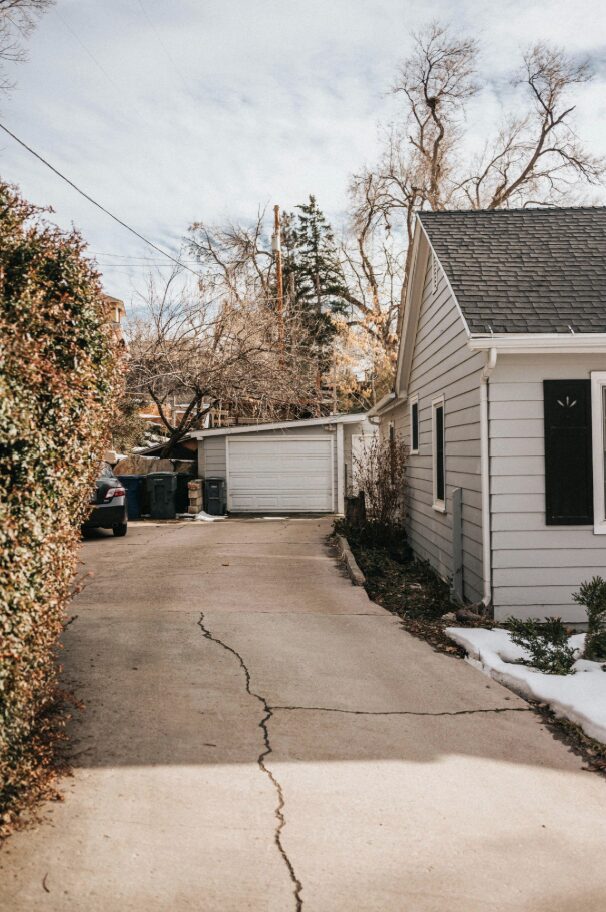
You usually don’t wake up thinking about your driveway.
It’s just there; something you pull into, walk across, maybe shovel in the winter, and otherwise ignore. Until one day you start noticing it.
A crack that wasn’t there before. A dip near the garage. Water pooling after it rains. Or maybe just that general “worn out” look that’s hard to unsee once you’ve seen it.
And then the question shows up: “Do I fix this… or is it time to replace the whole thing?”
The answer isn’t always obvious, but there are clear signs that can point you in the right direction.
When a Repair Is Usually Enough
Not every flaw means you’re looking at a full replacement. In fact, many driveway issues start small and stay manageable if you catch them early.
Repairs often make sense when you’re dealing with:
- ⬥ Small, isolated cracks
- ⬥ Minor surface wear or fading
- ⬥ A few shallow potholes
- ⬥ Cosmetic issues that don’t affect structure
In these cases, patching, sealing, or resurfacing can restore appearance and function without a major investment.
But here’s the key detail: repairs only work well when the foundation underneath is still solid.
When Replacement Starts to Make More Sense
There comes a point when patching problems just delays a bigger decision.
That usually shows up as:
- ⬥ Cracks that connect or spread across large sections
- ⬥ Deep potholes or crumbling edges
- ⬥ Water pooling in low spots after rain
- ⬥ Noticeable sinking or uneven surfaces
- ⬥ Repeated repairs that don’t seem to last
When the base layer is compromised, surface fixes don’t hold up for long. That’s when replacement starts to become the more practical option, not just the more permanent one.
Cost: Short-Term Fix vs. Long-Term Investment
This is where most homeowners pause, and understandably so.
Repairs are easier on the budget upfront. A patch or resurfacing job can extend the life of your driveway without a major expense.
Replacement, on the other hand, is a bigger project. But it also resets the clock.
Here’s how it often plays out:
- ⬥ Repairs may need to be repeated every few years
- ⬥ Replacement typically lasts decades with proper care
- ⬥ Ongoing patchwork can quietly add up over time
Sometimes the cheaper option today becomes the more expensive one over the long run.
Age and Material Matter More Than You Think
Not all driveways age the same way.
As a general guide:
- ⬥ Asphalt driveways often last around 15–20 years
- ⬥ Concrete can last 25–30 years or more
- ⬥ Pavers can last even longer with proper maintenance and repair of individual sections
If your driveway is already near the end of its expected lifespan and showing signs of wear, repairs may only be a temporary relief.
Don’t Underestimate Curb Appeal
Even if your driveway still functions fine, appearance plays a bigger role than most people realize.
It’s one of the first things people see when they arrive at your home. And whether you’re aware of it or not, it shapes first impressions.
- ⬥ A repaired driveway can improve appearance slightly
- ⬥ A full replacement creates a clean, uniform look
- ⬥ Updated driveways often make the entire property feel newer
If you’re thinking about selling in the next few years, this becomes even more relevant.
Timing and Disruption: What to Expect
Practicality matters here, too.
Repairs are typically quick. Some can be done in a matter of hours, depending on the issue.
Replacement takes more planning:
- ⬥ Removal of the existing surface
- ⬥ Prep work for the base layer
- ⬥ Installation and curing time
It’s a bigger disruption, but it’s also a reset that you won’t have to think about again for a long time.
Questions Worth Asking Before You Decide
If you’re stuck between repair and replacement, a few simple questions can help clarify things:
- ⬥ How widespread is the damage?
- ⬥ Is this the first time I’ve had issues, or the fifth?
- ⬥ How old is the driveway?
- ⬥ Is water draining properly?
- ⬥ How long do I plan to stay in this home?
Your answers usually point you in a clearer direction than the surface damage alone.
Bringing It All Together
There’s no universal answer here. Some driveways just need a little maintenance. Others are signaling that they’ve reached the end of their useful life.
The key is looking at the whole picture, not just what you see on the surface, but what’s happening underneath, how often issues are repeating, and how long you plan to stay in your home.
A well-timed repair can extend the life of your driveway. A well-timed replacement can reset it entirely.
Either way, making the decision early usually saves money, stress, and surprises down the road.
A Quick Note on Staying Organized
Driveway projects can move fast once you start getting quotes and contractor recommendations. It’s easy for details to get scattered; estimates in emails, notes on paper, photos in your phone.
Tools like HomeZada can help keep everything in one place. You can track project costs, store contractor bids, and document maintenance history so you always have a clear picture of your home’s condition and upcoming needs.
When you’re dealing with bigger home projects, having that kind of organization in place can make the whole process feel a lot more manageable.
Driveway Options: What’s Best for Your Home?
Is It Time to Renovate Your Driveway? 7 Signs You Shouldn’t Ignore
